Readings Newsletter
Become a Readings Member to make your shopping experience even easier.
Sign in or sign up for free!
You’re not far away from qualifying for FREE standard shipping within Australia
You’ve qualified for FREE standard shipping within Australia
The cart is loading…


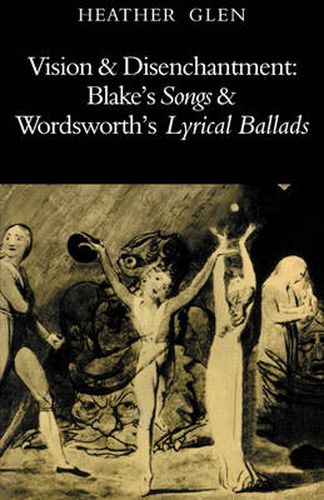
Blake’s Songs of Innocence and of Experience and Wordsworth’s contributions to Lyrical Ballads were both published in the last decade of the eighteenth century. The similarities between the two collections have often been noticed. However, as Dr Glen argues, to assimilate both collections to a common ‘Romanticism’ is to obscure that which is most distinctive in each. Each was shaped by and responsive to very different social and cultural pressures in the England of its time and offers a very different vision of human possibility. Moreover each poet uses the language which is the intimate register and vehicle of his society’s experience in a very different way. This is a challenging and persuasive interpretation of poems too often seen as part of a coherent and accepted literary tradition: poems which present a continuing challenge to all who would explore possibilities for creative social change. It will be of great interest to all serious readers of Romantic poetry.
$9.00 standard shipping within Australia
FREE standard shipping within Australia for orders over $100.00
Express & International shipping calculated at checkout
Stock availability can be subject to change without notice. We recommend calling the shop or contacting our online team to check availability of low stock items. Please see our Shopping Online page for more details.
Blake’s Songs of Innocence and of Experience and Wordsworth’s contributions to Lyrical Ballads were both published in the last decade of the eighteenth century. The similarities between the two collections have often been noticed. However, as Dr Glen argues, to assimilate both collections to a common ‘Romanticism’ is to obscure that which is most distinctive in each. Each was shaped by and responsive to very different social and cultural pressures in the England of its time and offers a very different vision of human possibility. Moreover each poet uses the language which is the intimate register and vehicle of his society’s experience in a very different way. This is a challenging and persuasive interpretation of poems too often seen as part of a coherent and accepted literary tradition: poems which present a continuing challenge to all who would explore possibilities for creative social change. It will be of great interest to all serious readers of Romantic poetry.
Search our extensive online catalogue.
