Readings Newsletter
Become a Readings Member to make your shopping experience even easier.
Sign in or sign up for free!
You’re not far away from qualifying for FREE standard shipping within Australia
You’ve qualified for FREE standard shipping within Australia
The cart is loading…


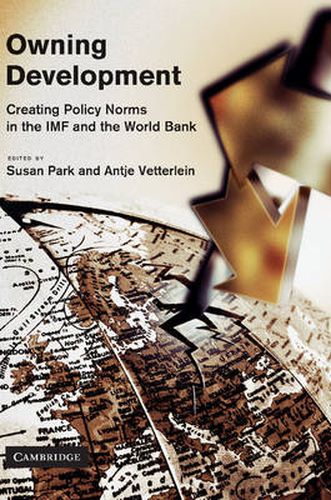
As pillars of the post-1945 international economic system, the International Monetary Fund (IMF) and the World Bank are central to global economic policy debates. This book examines policy change at the IMF and the World Bank, providing a constructivist account of how and why they take up ideas and translate them into policy, creating what we call ‘policy norms’. The authors compare processes of policy emergence and change and, using archival and interview data, analyse nine policy areas including gender, debt relief, and tax and pension reform. Each chapter traces the policy norm process in order to shed light on the main sources and mechanisms for norm change within international organizations. Owning Development details the strength of these policy norms which emerge, then either stabilize or decline. The book establishes valuable insights into the strength of current development policies propounded by international organizations and the possibility for change.
$9.00 standard shipping within Australia
FREE standard shipping within Australia for orders over $100.00
Express & International shipping calculated at checkout
Stock availability can be subject to change without notice. We recommend calling the shop or contacting our online team to check availability of low stock items. Please see our Shopping Online page for more details.
As pillars of the post-1945 international economic system, the International Monetary Fund (IMF) and the World Bank are central to global economic policy debates. This book examines policy change at the IMF and the World Bank, providing a constructivist account of how and why they take up ideas and translate them into policy, creating what we call ‘policy norms’. The authors compare processes of policy emergence and change and, using archival and interview data, analyse nine policy areas including gender, debt relief, and tax and pension reform. Each chapter traces the policy norm process in order to shed light on the main sources and mechanisms for norm change within international organizations. Owning Development details the strength of these policy norms which emerge, then either stabilize or decline. The book establishes valuable insights into the strength of current development policies propounded by international organizations and the possibility for change.
Search our extensive online catalogue.
