Readings Newsletter
Become a Readings Member to make your shopping experience even easier.
Sign in or sign up for free!
You’re not far away from qualifying for FREE standard shipping within Australia
You’ve qualified for FREE standard shipping within Australia
The cart is loading…


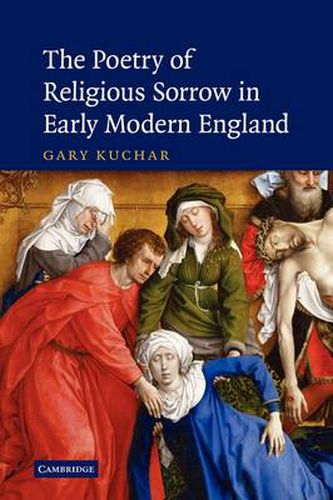
In early modern England, religious sorrow was seen as a form of spiritual dialogue between the soul and God, expressing how divine grace operates at the level of human emotion. Through close readings of both Protestant and Catholic poetry, Kuchar explains how the discourses of ‘devout melancholy’ helped generate some of the most engaging religious verse of the period. From Robert Southwell to John Milton, from Aemilia Lanyer to John Donne, the language of ‘holy mourning’ informed how poets represented the most intimate and enigmatic aspects of faith as lived experience. In turn, ‘holy mourning’ served as a way of registering some of the most pressing theological issues of the day. By tracing poetic representations of religious sorrow from Crashaw’s devotional verse to Shakespeare’s weeping kings, Kuchar expands our understanding of the interconnections between poetry, theology and emotion in post-Reformation England.
$9.00 standard shipping within Australia
FREE standard shipping within Australia for orders over $100.00
Express & International shipping calculated at checkout
Stock availability can be subject to change without notice. We recommend calling the shop or contacting our online team to check availability of low stock items. Please see our Shopping Online page for more details.
In early modern England, religious sorrow was seen as a form of spiritual dialogue between the soul and God, expressing how divine grace operates at the level of human emotion. Through close readings of both Protestant and Catholic poetry, Kuchar explains how the discourses of ‘devout melancholy’ helped generate some of the most engaging religious verse of the period. From Robert Southwell to John Milton, from Aemilia Lanyer to John Donne, the language of ‘holy mourning’ informed how poets represented the most intimate and enigmatic aspects of faith as lived experience. In turn, ‘holy mourning’ served as a way of registering some of the most pressing theological issues of the day. By tracing poetic representations of religious sorrow from Crashaw’s devotional verse to Shakespeare’s weeping kings, Kuchar expands our understanding of the interconnections between poetry, theology and emotion in post-Reformation England.
Search our extensive online catalogue.
