Readings Newsletter
Become a Readings Member to make your shopping experience even easier.
Sign in or sign up for free!
You’re not far away from qualifying for FREE standard shipping within Australia
You’ve qualified for FREE standard shipping within Australia
The cart is loading…


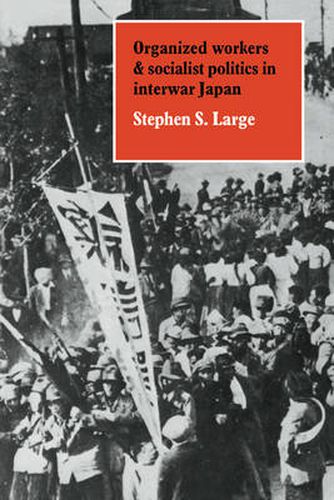
First published in 1981, this book, a political history of organised labour in Japan during the 1920s and 1930s, broke ground in research on the Japanese socialist movement by examining the movement from the perspective of the unions, which then provided the socialist parties with much of their popular support. Focusing on the Japan General Federation of Labour, an important pacesetter for labour politics, the author analyses why a significant cross-section of organised workers began the 1920s with promising vitality and high hopes of contributing to a progressive, socialist reconstruction of Japan, only to abandon this political commitment in the 1930s, with adverse consequences both for the unions and for their political party allies. Throughout, the author assesses Japanese and Western interpretations of Japanese society and politics in seeking a balanced understanding of the dynamics and significance of popular social protest in the critical interwar decades.
$9.00 standard shipping within Australia
FREE standard shipping within Australia for orders over $100.00
Express & International shipping calculated at checkout
Stock availability can be subject to change without notice. We recommend calling the shop or contacting our online team to check availability of low stock items. Please see our Shopping Online page for more details.
First published in 1981, this book, a political history of organised labour in Japan during the 1920s and 1930s, broke ground in research on the Japanese socialist movement by examining the movement from the perspective of the unions, which then provided the socialist parties with much of their popular support. Focusing on the Japan General Federation of Labour, an important pacesetter for labour politics, the author analyses why a significant cross-section of organised workers began the 1920s with promising vitality and high hopes of contributing to a progressive, socialist reconstruction of Japan, only to abandon this political commitment in the 1930s, with adverse consequences both for the unions and for their political party allies. Throughout, the author assesses Japanese and Western interpretations of Japanese society and politics in seeking a balanced understanding of the dynamics and significance of popular social protest in the critical interwar decades.
Search our extensive online catalogue.
