Readings Newsletter
Become a Readings Member to make your shopping experience even easier.
Sign in or sign up for free!
You’re not far away from qualifying for FREE standard shipping within Australia
You’ve qualified for FREE standard shipping within Australia
The cart is loading…


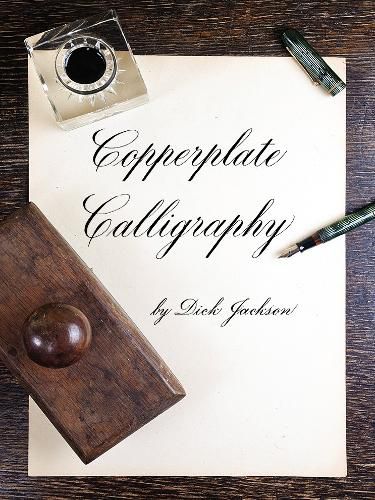
No need for copper or plates to achieve the distinctive calligraphic script of eighteenth-century Europe - just a pen, ink, and this comprehensive workbook will do. Master calligrapher Dick Jackson explains the basic strokes for almost all letters of the copperplate alphabet. Simple instructions and examples introduce the swirls, flourishes, strikings, and thick and thin strokes that make copperplate calligraphy a source of pleasure for the practitioner and a delight to the reader.A historical introduction traces the growth of copperplate from its roots in the French ronde of the seventeenth century, to its adaptation by English clerks into their copybooks, and the development of the style known as round hand. In addition, guide sheets and instructions for individual letters and numbers offer aspiring calligraphers a practical approach to this enduring art form.
$9.00 standard shipping within Australia
FREE standard shipping within Australia for orders over $100.00
Express & International shipping calculated at checkout
Stock availability can be subject to change without notice. We recommend calling the shop or contacting our online team to check availability of low stock items. Please see our Shopping Online page for more details.
No need for copper or plates to achieve the distinctive calligraphic script of eighteenth-century Europe - just a pen, ink, and this comprehensive workbook will do. Master calligrapher Dick Jackson explains the basic strokes for almost all letters of the copperplate alphabet. Simple instructions and examples introduce the swirls, flourishes, strikings, and thick and thin strokes that make copperplate calligraphy a source of pleasure for the practitioner and a delight to the reader.A historical introduction traces the growth of copperplate from its roots in the French ronde of the seventeenth century, to its adaptation by English clerks into their copybooks, and the development of the style known as round hand. In addition, guide sheets and instructions for individual letters and numbers offer aspiring calligraphers a practical approach to this enduring art form.
Search our extensive online catalogue.
