Readings Newsletter
Become a Readings Member to make your shopping experience even easier.
Sign in or sign up for free!
You’re not far away from qualifying for FREE standard shipping within Australia
You’ve qualified for FREE standard shipping within Australia
The cart is loading…


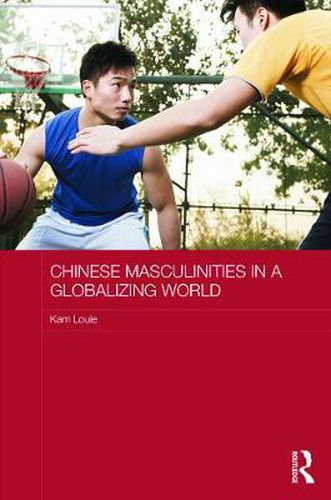
This book explores how the traditional ideal of Chinese manhood - the wen (cultural attainment) and wu (martial prowess) dyad - has been transformed by the increasing integration of China in the international scene. It discusses how increased travel and contact between China and the West are having a profound impact; showing how increased interchange with Western men, for whom wu is a more significant ideal, has shifted the balance in the classic Chinese dichotomy; and how the huge emphasis on wealth creation in contemporary China has changed the notion of wen itself to include business management skills and monetary power. The book also considers the implications of Chinese soft power outside China for the reconfigurations in masculinity ideals in the global setting. The rising significance of Chinese culture enables Chinese cultural norms, including ideals of manhood, to be increasingly integrated in the international sphere and to become hybridised. The book also examines the impact of the Japanese and Korean waves on popular conceptions of desirable manhood in China. Overall, it demonstrates that social constructions of Chinese masculinity have changed more fundamentally and become more global in the last three decades than any other time in the last three thousand years.
$9.00 standard shipping within Australia
FREE standard shipping within Australia for orders over $100.00
Express & International shipping calculated at checkout
Stock availability can be subject to change without notice. We recommend calling the shop or contacting our online team to check availability of low stock items. Please see our Shopping Online page for more details.
This book explores how the traditional ideal of Chinese manhood - the wen (cultural attainment) and wu (martial prowess) dyad - has been transformed by the increasing integration of China in the international scene. It discusses how increased travel and contact between China and the West are having a profound impact; showing how increased interchange with Western men, for whom wu is a more significant ideal, has shifted the balance in the classic Chinese dichotomy; and how the huge emphasis on wealth creation in contemporary China has changed the notion of wen itself to include business management skills and monetary power. The book also considers the implications of Chinese soft power outside China for the reconfigurations in masculinity ideals in the global setting. The rising significance of Chinese culture enables Chinese cultural norms, including ideals of manhood, to be increasingly integrated in the international sphere and to become hybridised. The book also examines the impact of the Japanese and Korean waves on popular conceptions of desirable manhood in China. Overall, it demonstrates that social constructions of Chinese masculinity have changed more fundamentally and become more global in the last three decades than any other time in the last three thousand years.
Search our extensive online catalogue.
