Readings Newsletter
Become a Readings Member to make your shopping experience even easier.
Sign in or sign up for free!
You’re not far away from qualifying for FREE standard shipping within Australia
You’ve qualified for FREE standard shipping within Australia
The cart is loading…


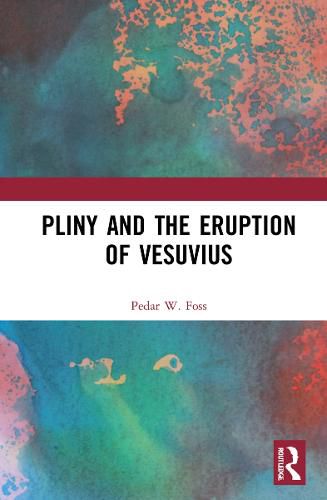
Pliny and the Eruption of Vesuvius is a forensic examination of two of the most famous letters from the ancient Mediterranean world, Pliny the Younger’s Epistulae 6.16 and 6.20, which offer a contemporary account of the eruption of Vesuvius in 79 AD. This volume provides the first comprehensive full-length treatment of these documents, contextualized by evidence-rich biographies for both Plinys, and a synthesis of the latest archaeological and volcanological research which answers questions about the eruption date. A new collation of sources results in a detailed manuscript tradition and an authoritative Latin text, while commentaries on each letter offer copiously referenced insights on their structure, style, and meaning.
This book offers a thorough companion to these letters, and to the eruption, which will be of interest not only to those working on Vesuvius, Pompeii and Herculaneum, and the works of Pliny, but also to general readers, Latin students, and scholars of the Roman world more broadly.
$9.00 standard shipping within Australia
FREE standard shipping within Australia for orders over $100.00
Express & International shipping calculated at checkout
Stock availability can be subject to change without notice. We recommend calling the shop or contacting our online team to check availability of low stock items. Please see our Shopping Online page for more details.
Pliny and the Eruption of Vesuvius is a forensic examination of two of the most famous letters from the ancient Mediterranean world, Pliny the Younger’s Epistulae 6.16 and 6.20, which offer a contemporary account of the eruption of Vesuvius in 79 AD. This volume provides the first comprehensive full-length treatment of these documents, contextualized by evidence-rich biographies for both Plinys, and a synthesis of the latest archaeological and volcanological research which answers questions about the eruption date. A new collation of sources results in a detailed manuscript tradition and an authoritative Latin text, while commentaries on each letter offer copiously referenced insights on their structure, style, and meaning.
This book offers a thorough companion to these letters, and to the eruption, which will be of interest not only to those working on Vesuvius, Pompeii and Herculaneum, and the works of Pliny, but also to general readers, Latin students, and scholars of the Roman world more broadly.
Search our extensive online catalogue.
