Readings Newsletter
Become a Readings Member to make your shopping experience even easier.
Sign in or sign up for free!
You’re not far away from qualifying for FREE standard shipping within Australia
You’ve qualified for FREE standard shipping within Australia
The cart is loading…


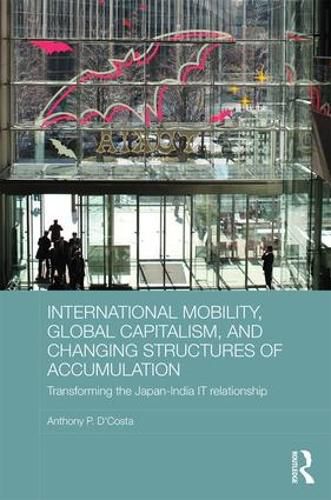
International mobility is not new as people have moved throughout history, voluntarily and forcibly, for personal, familial, economic, and professional reasons. Yet, the mobility of technical talent in the global economy is a relatively new phenomenon, largely voluntary, structurally determined by market forces, and influenced by immigration policies. In particular, the rise of the new economy of information and communications technologies and tradable services has created an unprecedented demand for information technology workers and professionals. This economy also embodies the circulation of brain power, as opposed to simple brain drain of earlier decades, thereby inducing heightened competition among nations to secure and retain talent. This book demonstrates the processes underlying the uneven and interconnected development of the world economy by investigating the extent to which rich countries are becoming dependent on the supply of technical professionals from developing countries, the reasons for this reliance, the beneficiaries of such mobility, how institutions such as states and businesses are coping with talent imbalances at the national and global levels, and some of the inegalitarian social consequences of talent mobility. Based on this analysis the book provides both a theoretical and empirical understanding of the dynamics of the contemporary world economy, driven by the twin forces of exploitation of unskilled labor and economic mobilization of highly skilled professionals. In this accumulation model labor markets for technical talent are regulated by state intervention in technical education, immigration policies, and national mobilization of talent for international competitiveness.
$9.00 standard shipping within Australia
FREE standard shipping within Australia for orders over $100.00
Express & International shipping calculated at checkout
Stock availability can be subject to change without notice. We recommend calling the shop or contacting our online team to check availability of low stock items. Please see our Shopping Online page for more details.
International mobility is not new as people have moved throughout history, voluntarily and forcibly, for personal, familial, economic, and professional reasons. Yet, the mobility of technical talent in the global economy is a relatively new phenomenon, largely voluntary, structurally determined by market forces, and influenced by immigration policies. In particular, the rise of the new economy of information and communications technologies and tradable services has created an unprecedented demand for information technology workers and professionals. This economy also embodies the circulation of brain power, as opposed to simple brain drain of earlier decades, thereby inducing heightened competition among nations to secure and retain talent. This book demonstrates the processes underlying the uneven and interconnected development of the world economy by investigating the extent to which rich countries are becoming dependent on the supply of technical professionals from developing countries, the reasons for this reliance, the beneficiaries of such mobility, how institutions such as states and businesses are coping with talent imbalances at the national and global levels, and some of the inegalitarian social consequences of talent mobility. Based on this analysis the book provides both a theoretical and empirical understanding of the dynamics of the contemporary world economy, driven by the twin forces of exploitation of unskilled labor and economic mobilization of highly skilled professionals. In this accumulation model labor markets for technical talent are regulated by state intervention in technical education, immigration policies, and national mobilization of talent for international competitiveness.
Search our extensive online catalogue.
