Readings Newsletter
Become a Readings Member to make your shopping experience even easier.
Sign in or sign up for free!
You’re not far away from qualifying for FREE standard shipping within Australia
You’ve qualified for FREE standard shipping within Australia
The cart is loading…


Praise for New Documentary:
‘It’s refreshing to find a book that cuts through the tired old debates that have surrounded documentary film and television. It heralds a welcome new approach.’
Sight and Sound
‘Documentary practice changes so fast that books on the subject are often out of date before they are published. Bruzzi’s achievement is to have understood the genre as an activity based on performance rather than observation. This is a fresh perspective which illuminates the fundamental shifts that will continue to take place in the genre as it enters its second century.’
John Ellis, Professor of Media Arts, Royal Holloway, University of London
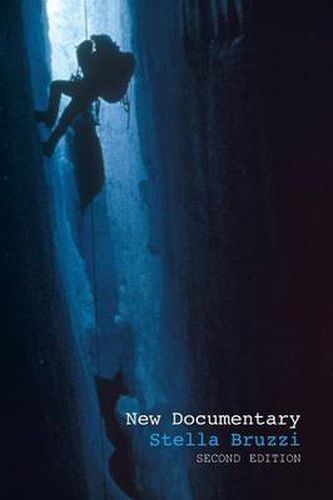
New Documentary provides a contemporary look at documentary and fresh and challenging ways of theorising the non-fiction film. As engaging as the original, this second edition features thorough updates to the existing chapters, as well as a brand new chapter on contemporary cinema release documentaries.
This new edition includes:
Contemporary films such as Capturing the Friedmans, Etre et avoir, Farenheit 9/11, The Fog of War and Touching the Void as well as more canonical texts such as Hoop Dreams and Shoah
Additional interviews with influential practitioners, such as director Michael Apted and producer Stephen Lambert
A comprehensively revised discussion of modern observational documentary, including docusoaps, reality television and formatted documentaries
The work of documentary filmmakers such as Nicholas Barker, Errol Morris, Nick Broomfield, Molly Dineen and Michael Moore and the work of Avant-Garde filmmakers such as Chris Marker and Patrick Keiller
Gender identity, queer theory, performance, race and spectatorship.
Bruzzi shows how theories of documentary filmmaking can be applied to contemporary texts and genres, and discusses the relationship between recent, innovative examples of the genre and the more established canon of documentary.
$9.00 standard shipping within Australia
FREE standard shipping within Australia for orders over $100.00
Express & International shipping calculated at checkout
Stock availability can be subject to change without notice. We recommend calling the shop or contacting our online team to check availability of low stock items. Please see our Shopping Online page for more details.
Praise for New Documentary:
‘It’s refreshing to find a book that cuts through the tired old debates that have surrounded documentary film and television. It heralds a welcome new approach.’
Sight and Sound
‘Documentary practice changes so fast that books on the subject are often out of date before they are published. Bruzzi’s achievement is to have understood the genre as an activity based on performance rather than observation. This is a fresh perspective which illuminates the fundamental shifts that will continue to take place in the genre as it enters its second century.’
John Ellis, Professor of Media Arts, Royal Holloway, University of London
New Documentary provides a contemporary look at documentary and fresh and challenging ways of theorising the non-fiction film. As engaging as the original, this second edition features thorough updates to the existing chapters, as well as a brand new chapter on contemporary cinema release documentaries.
This new edition includes:
Contemporary films such as Capturing the Friedmans, Etre et avoir, Farenheit 9/11, The Fog of War and Touching the Void as well as more canonical texts such as Hoop Dreams and Shoah
Additional interviews with influential practitioners, such as director Michael Apted and producer Stephen Lambert
A comprehensively revised discussion of modern observational documentary, including docusoaps, reality television and formatted documentaries
The work of documentary filmmakers such as Nicholas Barker, Errol Morris, Nick Broomfield, Molly Dineen and Michael Moore and the work of Avant-Garde filmmakers such as Chris Marker and Patrick Keiller
Gender identity, queer theory, performance, race and spectatorship.
Bruzzi shows how theories of documentary filmmaking can be applied to contemporary texts and genres, and discusses the relationship between recent, innovative examples of the genre and the more established canon of documentary.
Search our extensive online catalogue.
