Readings Newsletter
Become a Readings Member to make your shopping experience even easier.
Sign in or sign up for free!
You’re not far away from qualifying for FREE standard shipping within Australia
You’ve qualified for FREE standard shipping within Australia
The cart is loading…


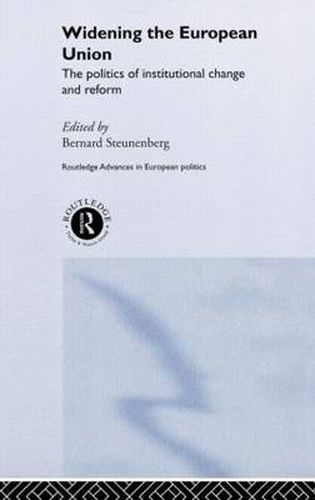
The proposed enlargement of the European Union to include countries from Central and Eastern Europe has become an important political issue. Widening the European Union focuses on those institutional reforms of the Union that may be necessary to make the enlargement possible. The institutional structure, originally designed for the Union of just six states, might not be suitable for a EU of twenty-seven or more member states. An overview of current rational choice theories of institutional change is provided before the volume focuses on several aspects of institutional reforms in the Union. Issues discussed include: The EU’s decision-making process. The role of the Council in connection with the European Commission and the European Parliament. The EU’s budget procedure and the arrangements used in the European Monetary Union. How the EU could maintain integration after enlargement. Widening the European Union contains contributions from a distinguished team of European academics. This book should be a valuable resource to students of the European Union with an interest in its politics and policy, enlargement and institutional reform.
$9.00 standard shipping within Australia
FREE standard shipping within Australia for orders over $100.00
Express & International shipping calculated at checkout
Stock availability can be subject to change without notice. We recommend calling the shop or contacting our online team to check availability of low stock items. Please see our Shopping Online page for more details.
The proposed enlargement of the European Union to include countries from Central and Eastern Europe has become an important political issue. Widening the European Union focuses on those institutional reforms of the Union that may be necessary to make the enlargement possible. The institutional structure, originally designed for the Union of just six states, might not be suitable for a EU of twenty-seven or more member states. An overview of current rational choice theories of institutional change is provided before the volume focuses on several aspects of institutional reforms in the Union. Issues discussed include: The EU’s decision-making process. The role of the Council in connection with the European Commission and the European Parliament. The EU’s budget procedure and the arrangements used in the European Monetary Union. How the EU could maintain integration after enlargement. Widening the European Union contains contributions from a distinguished team of European academics. This book should be a valuable resource to students of the European Union with an interest in its politics and policy, enlargement and institutional reform.
Search our extensive online catalogue.
