Readings Newsletter
Become a Readings Member to make your shopping experience even easier.
Sign in or sign up for free!
You’re not far away from qualifying for FREE standard shipping within Australia
You’ve qualified for FREE standard shipping within Australia
The cart is loading…


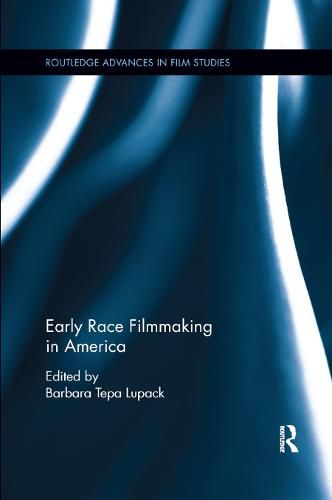
The early years of the twentieth century were a formative time in the long history of struggle for black representation. More than any other medium, movies reflected the tremendous changes occurring in American society. Unfortunately, since they drew heavily on the nineteenth-century theatrical conventions of blackface minstrelsy and the Uncle Tom Show traditions, early pictures persisted in casting blacks in demeaning and outrageous caricatures that marginalized and burlesqued them and emphasized their comic or servile behavior. By contrast, race films-that is, movies that were black-cast, black-oriented, and viewed primarily by black audiences in segregated theaters-attempted to counter the crude stereotyping and regressive representations by presenting more authentic racial portrayals. This volume examines race filmmaking from numerous perspectives. By reanimating a critical but neglected period of early cinema-the years between the turn-of-the-century and 1930, the end of the silent film era-it provides a fascinating look at the efforts of early race film pioneers and offers a vibrant portrait of race and racial representation in American film and culture.
$9.00 standard shipping within Australia
FREE standard shipping within Australia for orders over $100.00
Express & International shipping calculated at checkout
Stock availability can be subject to change without notice. We recommend calling the shop or contacting our online team to check availability of low stock items. Please see our Shopping Online page for more details.
The early years of the twentieth century were a formative time in the long history of struggle for black representation. More than any other medium, movies reflected the tremendous changes occurring in American society. Unfortunately, since they drew heavily on the nineteenth-century theatrical conventions of blackface minstrelsy and the Uncle Tom Show traditions, early pictures persisted in casting blacks in demeaning and outrageous caricatures that marginalized and burlesqued them and emphasized their comic or servile behavior. By contrast, race films-that is, movies that were black-cast, black-oriented, and viewed primarily by black audiences in segregated theaters-attempted to counter the crude stereotyping and regressive representations by presenting more authentic racial portrayals. This volume examines race filmmaking from numerous perspectives. By reanimating a critical but neglected period of early cinema-the years between the turn-of-the-century and 1930, the end of the silent film era-it provides a fascinating look at the efforts of early race film pioneers and offers a vibrant portrait of race and racial representation in American film and culture.
Search our extensive online catalogue.
