Readings Newsletter
Become a Readings Member to make your shopping experience even easier.
Sign in or sign up for free!
You’re not far away from qualifying for FREE standard shipping within Australia
You’ve qualified for FREE standard shipping within Australia
The cart is loading…


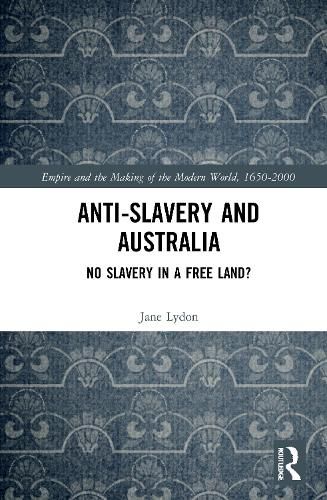
Bringing the histories of British anti-slavery and Australian colonization together changes our view of both. This book explores the anti-slavery movement in imperial scope, arguing that colonization in Australasia facilitated emancipation in the Caribbean, even as abolition powerfully shaped the Settler Revolution. The anti-slavery campaign was deeply entwined with the administration of the empire and its diverse peoples, as well as the radical changes demanded by industrialization and rapid social change in Britain. Abolition posed problems to which colonial expansion provided the answer, intimately linking the end of slavery to systematic colonization and Indigenous dispossession. By defining slavery in the Caribbean as the opposite of freedom, a lasting impact of abolition was to relegate other forms of oppression to lesser status, or to deny them. Through the shared concerns of abolitionists, slave-owners, and colonizers, a plastic ideology of ‘free labour’ was embedded within post-emancipation imperialist geopolitics, justifying the proliferation of new forms of unfree labour and defining new racial categories. The celebration of abolition has overshadowed post-emancipation continuities and transformations of slavery that continue to shape the modern world.
$9.00 standard shipping within Australia
FREE standard shipping within Australia for orders over $100.00
Express & International shipping calculated at checkout
Stock availability can be subject to change without notice. We recommend calling the shop or contacting our online team to check availability of low stock items. Please see our Shopping Online page for more details.
Bringing the histories of British anti-slavery and Australian colonization together changes our view of both. This book explores the anti-slavery movement in imperial scope, arguing that colonization in Australasia facilitated emancipation in the Caribbean, even as abolition powerfully shaped the Settler Revolution. The anti-slavery campaign was deeply entwined with the administration of the empire and its diverse peoples, as well as the radical changes demanded by industrialization and rapid social change in Britain. Abolition posed problems to which colonial expansion provided the answer, intimately linking the end of slavery to systematic colonization and Indigenous dispossession. By defining slavery in the Caribbean as the opposite of freedom, a lasting impact of abolition was to relegate other forms of oppression to lesser status, or to deny them. Through the shared concerns of abolitionists, slave-owners, and colonizers, a plastic ideology of ‘free labour’ was embedded within post-emancipation imperialist geopolitics, justifying the proliferation of new forms of unfree labour and defining new racial categories. The celebration of abolition has overshadowed post-emancipation continuities and transformations of slavery that continue to shape the modern world.
Search our extensive online catalogue.
