Readings Newsletter
Become a Readings Member to make your shopping experience even easier.
Sign in or sign up for free!
You’re not far away from qualifying for FREE standard shipping within Australia
You’ve qualified for FREE standard shipping within Australia
The cart is loading…


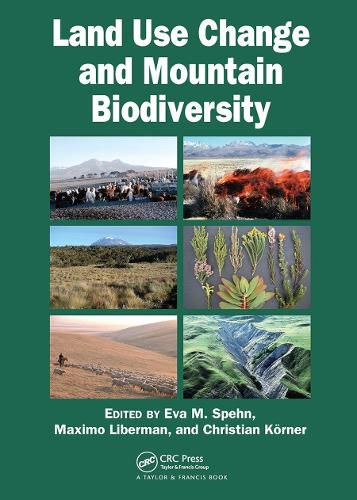
Part of the worldwide biodiversity program DIVERSITAS, the Global Mountain Biodiversity Assessment (GMBA) assesses the biological richness of high-elevation biota. GMBA’s focus includes the uppermost forest regions or their substitute rangeland vegetation, the treeline ecotone, and the alpine and nival belts. Providing more than description, the GMBA explains the causes of biological richness and how diversity changes over time. Because biodiversity changes often result from human land use, part of the GMBA agenda is the assessment of land use impacts. These assessments are critical in low-latitude regions, where land use pressure on upland biota is the greatest.
The chapters of Land Use Change and Mountain Biodiversity derive from a peer-review process that followed presentations offered at two GMBA workshops, one in Tanzania and the other in Bolivia. More than 50 researchers actively participated in these events, discussing information from all major mountain regions, with a particular focus on the Andes and on African mountains.
$9.00 standard shipping within Australia
FREE standard shipping within Australia for orders over $100.00
Express & International shipping calculated at checkout
Stock availability can be subject to change without notice. We recommend calling the shop or contacting our online team to check availability of low stock items. Please see our Shopping Online page for more details.
Part of the worldwide biodiversity program DIVERSITAS, the Global Mountain Biodiversity Assessment (GMBA) assesses the biological richness of high-elevation biota. GMBA’s focus includes the uppermost forest regions or their substitute rangeland vegetation, the treeline ecotone, and the alpine and nival belts. Providing more than description, the GMBA explains the causes of biological richness and how diversity changes over time. Because biodiversity changes often result from human land use, part of the GMBA agenda is the assessment of land use impacts. These assessments are critical in low-latitude regions, where land use pressure on upland biota is the greatest.
The chapters of Land Use Change and Mountain Biodiversity derive from a peer-review process that followed presentations offered at two GMBA workshops, one in Tanzania and the other in Bolivia. More than 50 researchers actively participated in these events, discussing information from all major mountain regions, with a particular focus on the Andes and on African mountains.
Search our extensive online catalogue.
