Readings Newsletter
Become a Readings Member to make your shopping experience even easier.
Sign in or sign up for free!
You’re not far away from qualifying for FREE standard shipping within Australia
You’ve qualified for FREE standard shipping within Australia
The cart is loading…


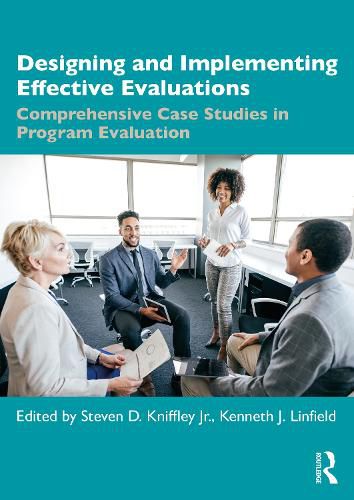
Designing and Implementing Effective Evaluations provides extensive real-life examples of program evaluations that illustrate the various elements and steps in conducting a successful evaluation. The detailed and diverse range of case studies show the common elements, methods, approaches, and processes of program evaluations, while also demonstrating the way that good evaluators adapt and tailor those methods to the specific characteristics and needs of a given program.
The chapters explore the process of problem solving while navigating multiple stakeholders, competing agendas, and varying environments. The book introduces conversations concerning how to adapt evaluation processes and concepts with culturally different individuals and communities. It discusses the role of culture in navigating a meaningful evaluation process when significant cultural differences exist between the evaluator and individuals that make up the organization.
The text is a vital resource for postgraduate students in program evaluation courses in Psychology, Education, Public Health, Social Work and related fields.
$9.00 standard shipping within Australia
FREE standard shipping within Australia for orders over $100.00
Express & International shipping calculated at checkout
Stock availability can be subject to change without notice. We recommend calling the shop or contacting our online team to check availability of low stock items. Please see our Shopping Online page for more details.
Designing and Implementing Effective Evaluations provides extensive real-life examples of program evaluations that illustrate the various elements and steps in conducting a successful evaluation. The detailed and diverse range of case studies show the common elements, methods, approaches, and processes of program evaluations, while also demonstrating the way that good evaluators adapt and tailor those methods to the specific characteristics and needs of a given program.
The chapters explore the process of problem solving while navigating multiple stakeholders, competing agendas, and varying environments. The book introduces conversations concerning how to adapt evaluation processes and concepts with culturally different individuals and communities. It discusses the role of culture in navigating a meaningful evaluation process when significant cultural differences exist between the evaluator and individuals that make up the organization.
The text is a vital resource for postgraduate students in program evaluation courses in Psychology, Education, Public Health, Social Work and related fields.
Search our extensive online catalogue.
