Readings Newsletter
Become a Readings Member to make your shopping experience even easier.
Sign in or sign up for free!
You’re not far away from qualifying for FREE standard shipping within Australia
You’ve qualified for FREE standard shipping within Australia
The cart is loading…


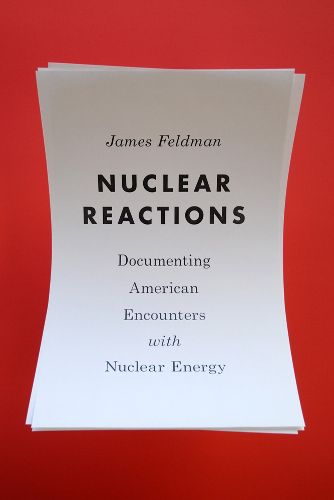
Nuclear Reactions explores the nuclear consensus that emerged in post-World War II America, characterized by widespread support for a diplomatic and military strategy based on nuclear weapons and a vision of economic growth that welcomed nuclear energy both for the generation of electricity and for other peaceful and industrial uses. Unease about the environmental consequences of nuclear energy and weapons development became apparent by the early 1960s and led to the first challenges to that consensus.
The documents in this collection address issues such as the arms race, mutually assured destruction, the emergence of ecosystems ecology and the environmental movement, nuclear protests, and climate change. They raise questions about how nuclear energy shaped-and continues to shape-the contours of postwar American life. These questions provide a useful lens through which to understand the social, economic, and environmental tradeoffs embedded within American choices about the use and management of nuclear energy.
$9.00 standard shipping within Australia
FREE standard shipping within Australia for orders over $100.00
Express & International shipping calculated at checkout
Stock availability can be subject to change without notice. We recommend calling the shop or contacting our online team to check availability of low stock items. Please see our Shopping Online page for more details.
Nuclear Reactions explores the nuclear consensus that emerged in post-World War II America, characterized by widespread support for a diplomatic and military strategy based on nuclear weapons and a vision of economic growth that welcomed nuclear energy both for the generation of electricity and for other peaceful and industrial uses. Unease about the environmental consequences of nuclear energy and weapons development became apparent by the early 1960s and led to the first challenges to that consensus.
The documents in this collection address issues such as the arms race, mutually assured destruction, the emergence of ecosystems ecology and the environmental movement, nuclear protests, and climate change. They raise questions about how nuclear energy shaped-and continues to shape-the contours of postwar American life. These questions provide a useful lens through which to understand the social, economic, and environmental tradeoffs embedded within American choices about the use and management of nuclear energy.
Search our extensive online catalogue.
