Readings Newsletter
Become a Readings Member to make your shopping experience even easier.
Sign in or sign up for free!
You’re not far away from qualifying for FREE standard shipping within Australia
You’ve qualified for FREE standard shipping within Australia
The cart is loading…


This title is printed to order. This book may have been self-published. If so, we cannot guarantee the quality of the content. In the main most books will have gone through the editing process however some may not. We therefore suggest that you be aware of this before ordering this book. If in doubt check either the author or publisher’s details as we are unable to accept any returns unless they are faulty. Please contact us if you have any questions.
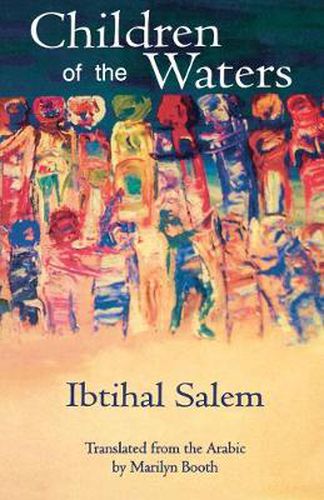
Ibtihal Salem’s writing provides an excellent forum for studying both everyday life in Egypt and current literary experimentation in the Middle East. Her poignant pieces hover between the structure of story-telling, the visuality of vignettes, and the compression of poetry. They both record and evoke a literary ferment going on in Egypt today. Salem’s writing of the last thirty years is lauded for its social messages also. Finding the expression of sexuality necessary to explicate problems of Egyptian identity, Salem often links poverty to gender marginality. Her heroines, however, celebrate the heritages that have shaped them, even as they resist certain aspects of them. Like many writers in Egypt, Salem honors traditional folktales, even as she deals with contemporary problems from class and economic perspectives. Marilyn Booth, one of the best translators of Arabic fiction working today, has dealt in her introduction to this collection with the unusual experimental form by examining Salem’s craft as well as the contextual history surrounding the stories. Since Salem is writing across genres, Booth helps the reader also by opening each piece with an explanatory comment, often quoting the author, and thus further illuminating Salem’s portrayals of lives bounded by Egypt’s waters - the Canal, the Nile, and the Mediterranean.
$9.00 standard shipping within Australia
FREE standard shipping within Australia for orders over $100.00
Express & International shipping calculated at checkout
Stock availability can be subject to change without notice. We recommend calling the shop or contacting our online team to check availability of low stock items. Please see our Shopping Online page for more details.
This title is printed to order. This book may have been self-published. If so, we cannot guarantee the quality of the content. In the main most books will have gone through the editing process however some may not. We therefore suggest that you be aware of this before ordering this book. If in doubt check either the author or publisher’s details as we are unable to accept any returns unless they are faulty. Please contact us if you have any questions.
Ibtihal Salem’s writing provides an excellent forum for studying both everyday life in Egypt and current literary experimentation in the Middle East. Her poignant pieces hover between the structure of story-telling, the visuality of vignettes, and the compression of poetry. They both record and evoke a literary ferment going on in Egypt today. Salem’s writing of the last thirty years is lauded for its social messages also. Finding the expression of sexuality necessary to explicate problems of Egyptian identity, Salem often links poverty to gender marginality. Her heroines, however, celebrate the heritages that have shaped them, even as they resist certain aspects of them. Like many writers in Egypt, Salem honors traditional folktales, even as she deals with contemporary problems from class and economic perspectives. Marilyn Booth, one of the best translators of Arabic fiction working today, has dealt in her introduction to this collection with the unusual experimental form by examining Salem’s craft as well as the contextual history surrounding the stories. Since Salem is writing across genres, Booth helps the reader also by opening each piece with an explanatory comment, often quoting the author, and thus further illuminating Salem’s portrayals of lives bounded by Egypt’s waters - the Canal, the Nile, and the Mediterranean.
Search our extensive online catalogue.
