Readings Newsletter
Become a Readings Member to make your shopping experience even easier.
Sign in or sign up for free!
You’re not far away from qualifying for FREE standard shipping within Australia
You’ve qualified for FREE standard shipping within Australia
The cart is loading…


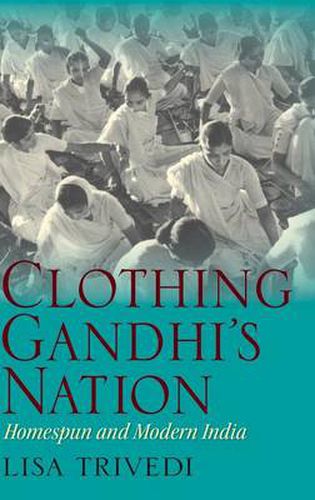
In Clothing Gandhi’s Nation, Lisa Trivedi explores the making of one of modern India’s most enduring political symbols, khadi: a homespun, home-woven cloth. The image of Mohandas K. Gandhi clothed simply in a loincloth and plying a spinning wheel is familiar around the world, as is the sight of Gandhi, Jawaharlal Nehru, and other political leaders dressed in Gandhi caps and khadi shirts. Less widely understood is how these images associate the wearers with the swadeshi movement-which advocated the exclusive consumption of indigenous goods to establish India’s autonomy from Great Britain-or how khadi was used to create a visual expression of national identity after Independence. Trivedi brings together social history and the study of visual culture to account for khadi as both symbol and commodity. Written in a clear narrative style, the book provides a cultural history of important and distinctive aspects of modern Indian history.
$9.00 standard shipping within Australia
FREE standard shipping within Australia for orders over $100.00
Express & International shipping calculated at checkout
Stock availability can be subject to change without notice. We recommend calling the shop or contacting our online team to check availability of low stock items. Please see our Shopping Online page for more details.
In Clothing Gandhi’s Nation, Lisa Trivedi explores the making of one of modern India’s most enduring political symbols, khadi: a homespun, home-woven cloth. The image of Mohandas K. Gandhi clothed simply in a loincloth and plying a spinning wheel is familiar around the world, as is the sight of Gandhi, Jawaharlal Nehru, and other political leaders dressed in Gandhi caps and khadi shirts. Less widely understood is how these images associate the wearers with the swadeshi movement-which advocated the exclusive consumption of indigenous goods to establish India’s autonomy from Great Britain-or how khadi was used to create a visual expression of national identity after Independence. Trivedi brings together social history and the study of visual culture to account for khadi as both symbol and commodity. Written in a clear narrative style, the book provides a cultural history of important and distinctive aspects of modern Indian history.
Search our extensive online catalogue.
