Readings Newsletter
Become a Readings Member to make your shopping experience even easier.
Sign in or sign up for free!
You’re not far away from qualifying for FREE standard shipping within Australia
You’ve qualified for FREE standard shipping within Australia
The cart is loading…


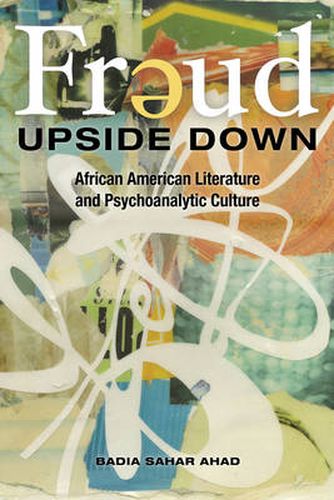
This thought-provoking cultural history explores how psychoanalytic theories shaped the works of important African American literary figures. Badia Sahar Ahad details how Nella Larsen, Richard Wright, Jean Toomer, Ralph Ellison, Adrienne Kennedy, and Danzy Senna employed psychoanalytic terms and conceptual models to challenge notions of race and racism in twentieth-century America. Freud Upside Down explores the relationship between these authors and intellectuals and the psychoanalytic movement emerging in the United States over the course of the twentieth century. Examining how psychoanalysis has functioned as a cultural phenomenon within African American literary intellectual communities since the 1920s, Ahad lays out the historiography of the intersections between African American literature and psychoanalysis and considers the creative approaches of African American writers to psychological thought in their work and their personal lives.
$9.00 standard shipping within Australia
FREE standard shipping within Australia for orders over $100.00
Express & International shipping calculated at checkout
Stock availability can be subject to change without notice. We recommend calling the shop or contacting our online team to check availability of low stock items. Please see our Shopping Online page for more details.
This thought-provoking cultural history explores how psychoanalytic theories shaped the works of important African American literary figures. Badia Sahar Ahad details how Nella Larsen, Richard Wright, Jean Toomer, Ralph Ellison, Adrienne Kennedy, and Danzy Senna employed psychoanalytic terms and conceptual models to challenge notions of race and racism in twentieth-century America. Freud Upside Down explores the relationship between these authors and intellectuals and the psychoanalytic movement emerging in the United States over the course of the twentieth century. Examining how psychoanalysis has functioned as a cultural phenomenon within African American literary intellectual communities since the 1920s, Ahad lays out the historiography of the intersections between African American literature and psychoanalysis and considers the creative approaches of African American writers to psychological thought in their work and their personal lives.
Search our extensive online catalogue.
