Readings Newsletter
Become a Readings Member to make your shopping experience even easier.
Sign in or sign up for free!
You’re not far away from qualifying for FREE standard shipping within Australia
You’ve qualified for FREE standard shipping within Australia
The cart is loading…


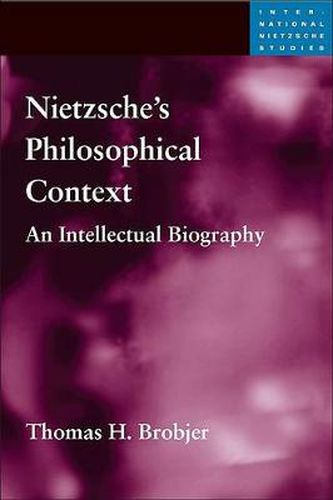
Friedrich Nietzsche was immensely influential and, counter to most expectations, also very well read. An essential new reference tool for those interested in his thinking, Nietzsche’s Philosophical Context identifies the chronology and huge range of philosophical books that engaged him. Rigorously examining the scope of this reading, Thomas H. Brobjer consulted over two thousand volumes in Nietzsche’s personal library, as well as his book bills, library records, journals, letters, and publications. This meticulous investigation also considers many of the annotations in his books. In arguing that Nietzsche’s reading often constituted the starting point for, or counterpoint to, much of his own thinking and writing, Brobjer’s study provides scholars with fresh insight into how Nietzsche worked and thought; to which questions and thinkers he responded; and by which of them he was influenced. The result is a new and much more contextual understanding of Nietzsche’s life and thinking.
$9.00 standard shipping within Australia
FREE standard shipping within Australia for orders over $100.00
Express & International shipping calculated at checkout
Stock availability can be subject to change without notice. We recommend calling the shop or contacting our online team to check availability of low stock items. Please see our Shopping Online page for more details.
Friedrich Nietzsche was immensely influential and, counter to most expectations, also very well read. An essential new reference tool for those interested in his thinking, Nietzsche’s Philosophical Context identifies the chronology and huge range of philosophical books that engaged him. Rigorously examining the scope of this reading, Thomas H. Brobjer consulted over two thousand volumes in Nietzsche’s personal library, as well as his book bills, library records, journals, letters, and publications. This meticulous investigation also considers many of the annotations in his books. In arguing that Nietzsche’s reading often constituted the starting point for, or counterpoint to, much of his own thinking and writing, Brobjer’s study provides scholars with fresh insight into how Nietzsche worked and thought; to which questions and thinkers he responded; and by which of them he was influenced. The result is a new and much more contextual understanding of Nietzsche’s life and thinking.
Search our extensive online catalogue.
