Readings Newsletter
Become a Readings Member to make your shopping experience even easier.
Sign in or sign up for free!
You’re not far away from qualifying for FREE standard shipping within Australia
You’ve qualified for FREE standard shipping within Australia
The cart is loading…


Reveals how art shaped the economy, social order, and legal claims during the rise of capitalism.
In the sixteenth century, German goldsmiths played a unique role in articulating property claims and social values. These artisans shaped precious metals into visible expressions of domination, subordination, and obligation. The objects they crafted played a major role in the practices of exchange and inheritance that were reconfiguring a tumultuous economic landscape. Cities commissioned goldsmiths to transform revenue into goblets that could be given as diplomatic gifts or reconverted into currency in times of war, and courts used serving implements as promises of credit.
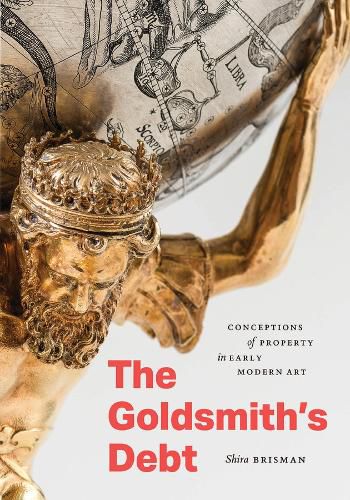
With The Goldsmith's Debt, art historian Shira Brisman offers the first book-length study of the Nuremberg goldsmith Christoph Jamnitzer (1563-1618), who created elaborate gilded silver drinking cups that he crafted into unexpected forms, with designs ranging from racialized heads to mining scenes. Considering how works of art can shape a social order, Brisman explores what Jamnitzer's etchings and goblets reveal about how goldsmiths shared ideas and how their patrons used commissioned works to legitimize their claims over land and the rights of others. Drawing on a range of textual and material evidence-including commentaries on Roman and customary laws, wills and civic statutes, printed designs, and firsthand study of lidded cups in dozens of major European institutions-this unprecedented study places the goldsmith at the heart of the era's arguments about how people and lands should be subjugated. Brisman reveals the insidious side of these objects that were often used to advance socially conservative agendas, and she presents radical proposals for addressing inequity in the world of ornament prints.
$9.00 standard shipping within Australia
FREE standard shipping within Australia for orders over $100.00
Express & International shipping calculated at checkout
Stock availability can be subject to change without notice. We recommend calling the shop or contacting our online team to check availability of low stock items. Please see our Shopping Online page for more details.
Reveals how art shaped the economy, social order, and legal claims during the rise of capitalism.
In the sixteenth century, German goldsmiths played a unique role in articulating property claims and social values. These artisans shaped precious metals into visible expressions of domination, subordination, and obligation. The objects they crafted played a major role in the practices of exchange and inheritance that were reconfiguring a tumultuous economic landscape. Cities commissioned goldsmiths to transform revenue into goblets that could be given as diplomatic gifts or reconverted into currency in times of war, and courts used serving implements as promises of credit.
With The Goldsmith's Debt, art historian Shira Brisman offers the first book-length study of the Nuremberg goldsmith Christoph Jamnitzer (1563-1618), who created elaborate gilded silver drinking cups that he crafted into unexpected forms, with designs ranging from racialized heads to mining scenes. Considering how works of art can shape a social order, Brisman explores what Jamnitzer's etchings and goblets reveal about how goldsmiths shared ideas and how their patrons used commissioned works to legitimize their claims over land and the rights of others. Drawing on a range of textual and material evidence-including commentaries on Roman and customary laws, wills and civic statutes, printed designs, and firsthand study of lidded cups in dozens of major European institutions-this unprecedented study places the goldsmith at the heart of the era's arguments about how people and lands should be subjugated. Brisman reveals the insidious side of these objects that were often used to advance socially conservative agendas, and she presents radical proposals for addressing inequity in the world of ornament prints.
Search our extensive online catalogue.
