Readings Newsletter
Become a Readings Member to make your shopping experience even easier.
Sign in or sign up for free!
You’re not far away from qualifying for FREE standard shipping within Australia
You’ve qualified for FREE standard shipping within Australia
The cart is loading…


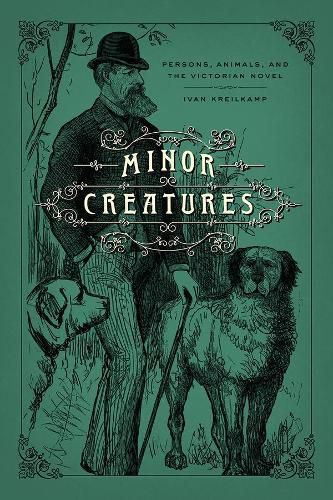
In the nineteenth century, richly-drawn social fiction became one of England’s major cultural exports. At the same time, a surprising companion came to stand alongside the novel as a key embodiment of British identity: the domesticated pet. In works by authors from the Brontes to Eliot, from Dickens to Hardy, animals appeared as markers of domestic coziness and familial kindness. Yet for all their supposed significance, the animals in nineteenth-century fiction were never granted the same fullness of character or consciousness as their human masters: they remain secondary figures. Minor Creatures re-examines a slew of literary classics to show how Victorian notions of domesticity, sympathy, and individuality were shaped in response to the burgeoning pet class. The presence of beloved animals in the home led to a number of welfare-minded political movements, inspired in part by the Darwinian thought that began to sprout at the time. Nineteenth-century animals may not have been the heroes of their own lives but, as Kreilkamp shows, the history of domestic pets deeply influenced the history of the English novel.
$9.00 standard shipping within Australia
FREE standard shipping within Australia for orders over $100.00
Express & International shipping calculated at checkout
Stock availability can be subject to change without notice. We recommend calling the shop or contacting our online team to check availability of low stock items. Please see our Shopping Online page for more details.
In the nineteenth century, richly-drawn social fiction became one of England’s major cultural exports. At the same time, a surprising companion came to stand alongside the novel as a key embodiment of British identity: the domesticated pet. In works by authors from the Brontes to Eliot, from Dickens to Hardy, animals appeared as markers of domestic coziness and familial kindness. Yet for all their supposed significance, the animals in nineteenth-century fiction were never granted the same fullness of character or consciousness as their human masters: they remain secondary figures. Minor Creatures re-examines a slew of literary classics to show how Victorian notions of domesticity, sympathy, and individuality were shaped in response to the burgeoning pet class. The presence of beloved animals in the home led to a number of welfare-minded political movements, inspired in part by the Darwinian thought that began to sprout at the time. Nineteenth-century animals may not have been the heroes of their own lives but, as Kreilkamp shows, the history of domestic pets deeply influenced the history of the English novel.
Search our extensive online catalogue.
