Readings Newsletter
Become a Readings Member to make your shopping experience even easier.
Sign in or sign up for free!
You’re not far away from qualifying for FREE standard shipping within Australia
You’ve qualified for FREE standard shipping within Australia
The cart is loading…


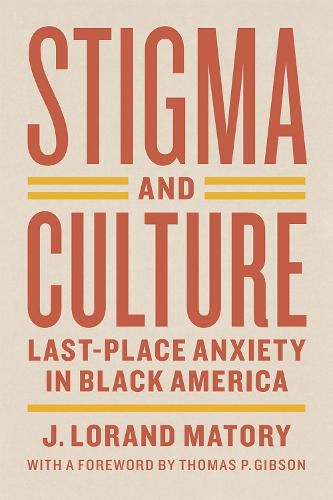
In Stigma and Culture, J. Lorand Matory provocatively shows how ethnic identification in the United States-and around the globe-is a competitive and hierarchical process in which populations, especially of historically stigmatized races, seek status and income by dishonoring other stigmatized populations. And there is no better place to see this than among the African American elite in academia, where he explores the emergent ethnic identities of African and Caribbean immigrants and transmigrants, Gullah/Geechees, Louisiana Creoles, and even Native Americans of partly African ancestry.
Matory describes the competitive process that hierarchically structures their self-definition as ethnic groups and the similar process by which middle-class African Americans seek distinction from their impoverished compatriots. Drawing on research at universities such as Howard, Harvard, and Duke and among their alumni networks, he details how university life-while facilitating individual upward mobility, touting human equality, and regaling cultural diversity-also perpetuates the cultural standards that historically justified the dominance of some groups over others. Combining his ethnographic findings with classic theoretical insights from Frantz Fanon, Fredrik Barth, Erving Goffman, Pierre Bourdieu and others-alongside stories from his own life in academia-Matory sketches the university as an institution that, particularly through the anthropological vocabulary of culture, encourages the stigmatized to stratify their own.
$9.00 standard shipping within Australia
FREE standard shipping within Australia for orders over $100.00
Express & International shipping calculated at checkout
Stock availability can be subject to change without notice. We recommend calling the shop or contacting our online team to check availability of low stock items. Please see our Shopping Online page for more details.
In Stigma and Culture, J. Lorand Matory provocatively shows how ethnic identification in the United States-and around the globe-is a competitive and hierarchical process in which populations, especially of historically stigmatized races, seek status and income by dishonoring other stigmatized populations. And there is no better place to see this than among the African American elite in academia, where he explores the emergent ethnic identities of African and Caribbean immigrants and transmigrants, Gullah/Geechees, Louisiana Creoles, and even Native Americans of partly African ancestry.
Matory describes the competitive process that hierarchically structures their self-definition as ethnic groups and the similar process by which middle-class African Americans seek distinction from their impoverished compatriots. Drawing on research at universities such as Howard, Harvard, and Duke and among their alumni networks, he details how university life-while facilitating individual upward mobility, touting human equality, and regaling cultural diversity-also perpetuates the cultural standards that historically justified the dominance of some groups over others. Combining his ethnographic findings with classic theoretical insights from Frantz Fanon, Fredrik Barth, Erving Goffman, Pierre Bourdieu and others-alongside stories from his own life in academia-Matory sketches the university as an institution that, particularly through the anthropological vocabulary of culture, encourages the stigmatized to stratify their own.
Search our extensive online catalogue.
