Readings Newsletter
Become a Readings Member to make your shopping experience even easier.
Sign in or sign up for free!
You’re not far away from qualifying for FREE standard shipping within Australia
You’ve qualified for FREE standard shipping within Australia
The cart is loading…


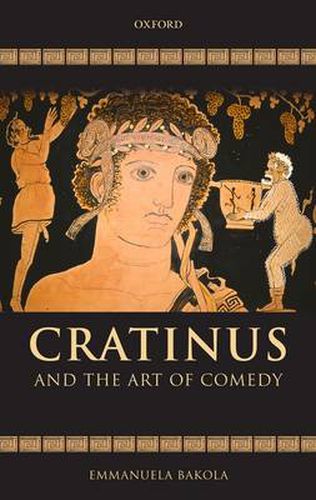
Cratinus, one of the lost great poets of fifth-century Athenian comedy, had a formative influence on the comic genre, including Aristophanes himself. Using a methodologically innovative approach, Emmanuela Bakola studies the surviving fragments of Cratinus’ plays and offers a thorough analysis of the multifaceted art of this poet and his place in the history of comedy. Issues which she addresses include the creation of a poetic personality within a performative tradition of fierce interpoetic rivalry; the play at the boundaries of the comic genre and the interaction with satyr drama and tragedy, especially Aeschylus; stagecraft and dramaturgy; comic plot-construction and characterization; the author’s reflection on his immediate political, social and intellectual context. As well as providing insight into Cratinus, her book enriches our understanding of fifth-century Athenian comedy in a dynamic evolving environment.
$9.00 standard shipping within Australia
FREE standard shipping within Australia for orders over $100.00
Express & International shipping calculated at checkout
Stock availability can be subject to change without notice. We recommend calling the shop or contacting our online team to check availability of low stock items. Please see our Shopping Online page for more details.
Cratinus, one of the lost great poets of fifth-century Athenian comedy, had a formative influence on the comic genre, including Aristophanes himself. Using a methodologically innovative approach, Emmanuela Bakola studies the surviving fragments of Cratinus’ plays and offers a thorough analysis of the multifaceted art of this poet and his place in the history of comedy. Issues which she addresses include the creation of a poetic personality within a performative tradition of fierce interpoetic rivalry; the play at the boundaries of the comic genre and the interaction with satyr drama and tragedy, especially Aeschylus; stagecraft and dramaturgy; comic plot-construction and characterization; the author’s reflection on his immediate political, social and intellectual context. As well as providing insight into Cratinus, her book enriches our understanding of fifth-century Athenian comedy in a dynamic evolving environment.
Search our extensive online catalogue.
