Readings Newsletter
Become a Readings Member to make your shopping experience even easier.
Sign in or sign up for free!
You’re not far away from qualifying for FREE standard shipping within Australia
You’ve qualified for FREE standard shipping within Australia
The cart is loading…


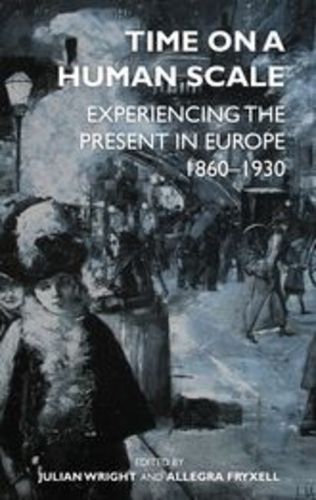
How have modern Europeans understood the times in which they live? Many accounts of late nineteenth and early twentieth century Europe tend to emphasize degeneration or acceleration DS a return to the past, or the rush to the future. This volume, however, shows how writers, artists, politicians and sociologists brought the present into focus by re-casting time in terms of human experience. With fresh contributions from history, politics, literary studies, musicology, cultural studies and art history, it shows how the search for the human present defined the culture, politics and ideas of Western Europe from the 1860s to the 1930s. The pressing search for the human present uncovered in these essays is, if anything, of even greater relevance today.
$9.00 standard shipping within Australia
FREE standard shipping within Australia for orders over $100.00
Express & International shipping calculated at checkout
Stock availability can be subject to change without notice. We recommend calling the shop or contacting our online team to check availability of low stock items. Please see our Shopping Online page for more details.
How have modern Europeans understood the times in which they live? Many accounts of late nineteenth and early twentieth century Europe tend to emphasize degeneration or acceleration DS a return to the past, or the rush to the future. This volume, however, shows how writers, artists, politicians and sociologists brought the present into focus by re-casting time in terms of human experience. With fresh contributions from history, politics, literary studies, musicology, cultural studies and art history, it shows how the search for the human present defined the culture, politics and ideas of Western Europe from the 1860s to the 1930s. The pressing search for the human present uncovered in these essays is, if anything, of even greater relevance today.
Search our extensive online catalogue.
