Readings Newsletter
Become a Readings Member to make your shopping experience even easier.
Sign in or sign up for free!
You’re not far away from qualifying for FREE standard shipping within Australia
You’ve qualified for FREE standard shipping within Australia
The cart is loading…


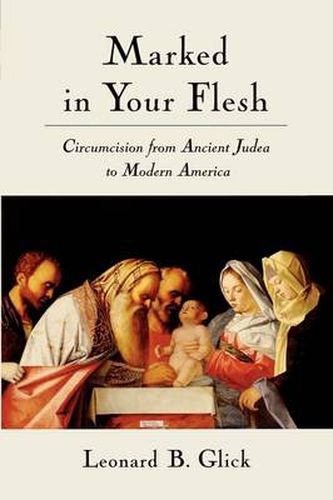
The book of Genesis tells us that God made a covenant with Abraham, promising him a glorious posterity on the condition that he and all his male descendents must be circumcised. For thousands of years thereafter, the distinctive practice of circumcision served to set the Jews apart from their neighbors. The apostle Paul rejected it as a worthless practice, emblematic of Judaism’s fixation on physical matters. Christian theologians followed his lead, arguing that whereas Christians sought spiritual fulfillment, Jews remained mired in such pointless concerns as diet and circumcision. As time went on, Europeans developed folklore about malicious Jews who performed sacrificial murders of Christian children and delighted in genital mutilation. But Jews held unwaveringly to the belief that being a Jewish male meant being physically circumcised and to this day even most non-observant Jews continue to follow this practice. In this book, Leonard B. Glick offers a history of Jewish and Christian beliefs about circumcision from its ancient origins to the current controversy. By the turn of the century, more and more physicians in America and England–but not, interestingly, in continental Europe–were performing the procedure routinely. Glick shows that Jewish American physicians were and continue to be especially vocal and influential champions of the practice which, he notes, serves to erase the visible difference between Jewish and gentile males. Informed medical opinion is now unanimous that circumcision confers no benefit and the practice has declined. In Jewish circles it is virtually taboo to question circumcision, but Glick does not flinch from asking whether this procedure should continue to be the defining feature of modern Jewish identity.
$9.00 standard shipping within Australia
FREE standard shipping within Australia for orders over $100.00
Express & International shipping calculated at checkout
Stock availability can be subject to change without notice. We recommend calling the shop or contacting our online team to check availability of low stock items. Please see our Shopping Online page for more details.
The book of Genesis tells us that God made a covenant with Abraham, promising him a glorious posterity on the condition that he and all his male descendents must be circumcised. For thousands of years thereafter, the distinctive practice of circumcision served to set the Jews apart from their neighbors. The apostle Paul rejected it as a worthless practice, emblematic of Judaism’s fixation on physical matters. Christian theologians followed his lead, arguing that whereas Christians sought spiritual fulfillment, Jews remained mired in such pointless concerns as diet and circumcision. As time went on, Europeans developed folklore about malicious Jews who performed sacrificial murders of Christian children and delighted in genital mutilation. But Jews held unwaveringly to the belief that being a Jewish male meant being physically circumcised and to this day even most non-observant Jews continue to follow this practice. In this book, Leonard B. Glick offers a history of Jewish and Christian beliefs about circumcision from its ancient origins to the current controversy. By the turn of the century, more and more physicians in America and England–but not, interestingly, in continental Europe–were performing the procedure routinely. Glick shows that Jewish American physicians were and continue to be especially vocal and influential champions of the practice which, he notes, serves to erase the visible difference between Jewish and gentile males. Informed medical opinion is now unanimous that circumcision confers no benefit and the practice has declined. In Jewish circles it is virtually taboo to question circumcision, but Glick does not flinch from asking whether this procedure should continue to be the defining feature of modern Jewish identity.
Search our extensive online catalogue.
