Readings Newsletter
Become a Readings Member to make your shopping experience even easier.
Sign in or sign up for free!
You’re not far away from qualifying for FREE standard shipping within Australia
You’ve qualified for FREE standard shipping within Australia
The cart is loading…


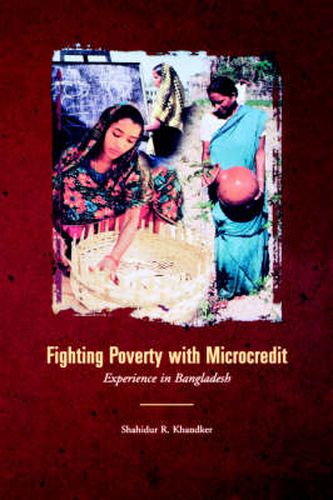
Providing the poor with access to financial services is one of many ways to help increase their incomes and productivity. In many countries, however, traditional financial institutions have failed to provide this service. Microcredit and co-operative programmes have been developed to fill this gap. Their purpose is to help the poor become self-employed and thus escape poverty. Many of these programmes provide credit using social mechanisms, such as group-based lending, to reach the poor and other clients, including women, who lack access to formal financial institutions. With increasing assistance from the World Bank and other donors, microfinance is emerging as an instrument for reducing poverty and improving the poor’s access to financial services in low-income countries. This book examines the experiences of the Grameen Bank and two other major microcredit programmes in Bangladesh in order to quantify the potential and limitations of microcredit programs as an instrument for reducing poverty and delivering financial sevices to the poor.
$9.00 standard shipping within Australia
FREE standard shipping within Australia for orders over $100.00
Express & International shipping calculated at checkout
Stock availability can be subject to change without notice. We recommend calling the shop or contacting our online team to check availability of low stock items. Please see our Shopping Online page for more details.
Providing the poor with access to financial services is one of many ways to help increase their incomes and productivity. In many countries, however, traditional financial institutions have failed to provide this service. Microcredit and co-operative programmes have been developed to fill this gap. Their purpose is to help the poor become self-employed and thus escape poverty. Many of these programmes provide credit using social mechanisms, such as group-based lending, to reach the poor and other clients, including women, who lack access to formal financial institutions. With increasing assistance from the World Bank and other donors, microfinance is emerging as an instrument for reducing poverty and improving the poor’s access to financial services in low-income countries. This book examines the experiences of the Grameen Bank and two other major microcredit programmes in Bangladesh in order to quantify the potential and limitations of microcredit programs as an instrument for reducing poverty and delivering financial sevices to the poor.
Search our extensive online catalogue.
