Readings Newsletter
Become a Readings Member to make your shopping experience even easier.
Sign in or sign up for free!
You’re not far away from qualifying for FREE standard shipping within Australia
You’ve qualified for FREE standard shipping within Australia
The cart is loading…


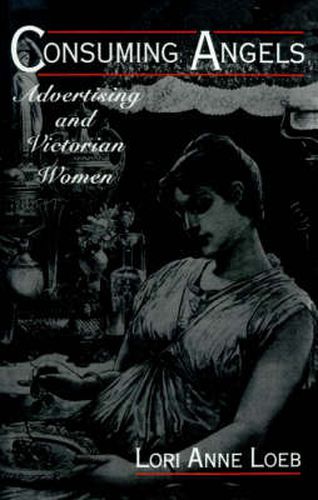
Timid and retiring, the Victorian housewife was an angel in the house, or so says the stereotype. But when this angel picked up a popular magazine–The Lady, for instance–she saw in its advertisements images of Grecian goddesses, women warriors, queens, actresses, adventurers. These arrestingly sexual and surprisingly powerful images are the subject of Consuming Angels, a major examination of how Victorian ads shaped social values. Stylishly written and featuring 73 reproductions, this book shows how ads used the hedonistic aspects of Victorian culture to sell their wares, glorified consumerism, and mythologized the middle-class life. Images of aggressive women, Loeb shows, played well to both men and women. And ultimately, these ads helped usher in the twentieth century with the creation of a new community: the community of consumers.
$9.00 standard shipping within Australia
FREE standard shipping within Australia for orders over $100.00
Express & International shipping calculated at checkout
Stock availability can be subject to change without notice. We recommend calling the shop or contacting our online team to check availability of low stock items. Please see our Shopping Online page for more details.
Timid and retiring, the Victorian housewife was an angel in the house, or so says the stereotype. But when this angel picked up a popular magazine–The Lady, for instance–she saw in its advertisements images of Grecian goddesses, women warriors, queens, actresses, adventurers. These arrestingly sexual and surprisingly powerful images are the subject of Consuming Angels, a major examination of how Victorian ads shaped social values. Stylishly written and featuring 73 reproductions, this book shows how ads used the hedonistic aspects of Victorian culture to sell their wares, glorified consumerism, and mythologized the middle-class life. Images of aggressive women, Loeb shows, played well to both men and women. And ultimately, these ads helped usher in the twentieth century with the creation of a new community: the community of consumers.
Search our extensive online catalogue.
