Readings Newsletter
Become a Readings Member to make your shopping experience even easier.
Sign in or sign up for free!
You’re not far away from qualifying for FREE standard shipping within Australia
You’ve qualified for FREE standard shipping within Australia
The cart is loading…


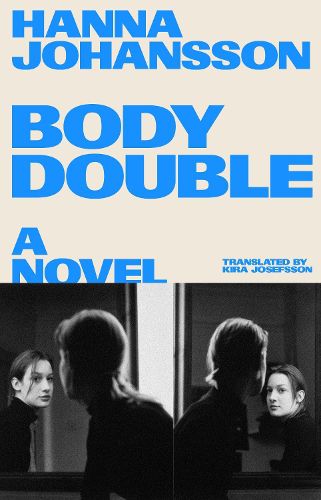
Warning: this read may make you feel anxious. Imagine you are a vegetarian, with no funds of your own, and your husband-to-be – the one who says he loves you and all that you do – wants you to cook a celebratory dinner for his work colleagues. He wants you to cook rabbit. It’s hot and the fridge has broken. You do your best, but the heat is stifling. The cat keeps jumping up onto the bench. You are running out of time to produce a meal.
You do not enjoy cooking; it is not your thing. You are alone, brought to England from Amsterdam on a whim, really, by your fiancé. The guests include an unexpected surprise: a past lover, someone you thought was your one, true soulmate – until he left you. Another of the guests becomes violently ill. The heat is unbearable, and the conversation is pompous. Too much wine has been consumed by everyone at the table. And there is a sharp knife within easy reach. Good lord, how could this dinner party possibly conclude?
You do find out as the novel moves from past to present and the protagonist, Franca, reflects on what happened that night – and even imagines what could have happened – with her therapist. This is a nightmare of a book: a hot, fever-dream type of novel. It created in me that feeling you get when you wake in the night after too much red wine and cheese.
This book is reminiscent of the great feminist tale by Charlotte Perkins Gilman, The Yellow Wallpaper. Reading this compelling novel elicited a visceral reaction in me. It is damning and enlightening, and forces conversations about power, privilege, and despair. And do not forget that knife with its sharp, pointed edge …
Discover more recommendations from our expert booksellers.

Search our extensive online catalogue.

