Readings Newsletter
Become a Readings Member to make your shopping experience even easier.
Sign in or sign up for free!
You’re not far away from qualifying for FREE standard shipping within Australia
You’ve qualified for FREE standard shipping within Australia
The cart is loading…


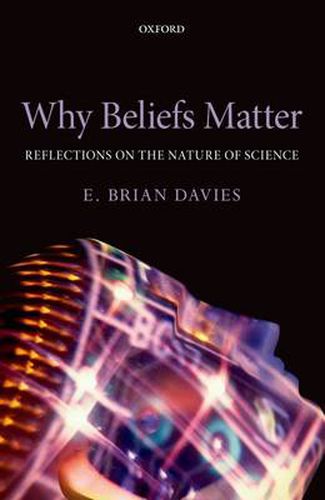
In the follow-up to his acclaimed Science in the Looking Glass, Brian Davies discusses deep problems about our place in the world, using a minimum of technical jargon. The book argues that ‘absolutist’ ideas of the objectivity of science, dating back to Plato, continue to mislead generations of both theoretical physicists and theologians. It explains that the multi-layered nature of our present descriptions of the world is unavoidable, not because of anything about the world, but because of our own human natures. It tries to rescue mathematics from the singular and exceptional status that it has been assigned, as much by those who understand it as by those who do not. Working throughout from direct quotations from many of the important contributors to its subject, it concludes with a penetrating criticism of many of the recent contributions to the often acrimonious debates about science and religions.
$9.00 standard shipping within Australia
FREE standard shipping within Australia for orders over $100.00
Express & International shipping calculated at checkout
Stock availability can be subject to change without notice. We recommend calling the shop or contacting our online team to check availability of low stock items. Please see our Shopping Online page for more details.
In the follow-up to his acclaimed Science in the Looking Glass, Brian Davies discusses deep problems about our place in the world, using a minimum of technical jargon. The book argues that ‘absolutist’ ideas of the objectivity of science, dating back to Plato, continue to mislead generations of both theoretical physicists and theologians. It explains that the multi-layered nature of our present descriptions of the world is unavoidable, not because of anything about the world, but because of our own human natures. It tries to rescue mathematics from the singular and exceptional status that it has been assigned, as much by those who understand it as by those who do not. Working throughout from direct quotations from many of the important contributors to its subject, it concludes with a penetrating criticism of many of the recent contributions to the often acrimonious debates about science and religions.
Search our extensive online catalogue.
