Readings Newsletter
Become a Readings Member to make your shopping experience even easier.
Sign in or sign up for free!
You’re not far away from qualifying for FREE standard shipping within Australia
You’ve qualified for FREE standard shipping within Australia
The cart is loading…


A hard-hitting expose of how methadone clinics fail people in recovery-and an urgent, unapologetic case for their abolition
A hard-hitting expose of how methadone clinics fail people in recovery-and an urgent, unapologetic case for their abolition
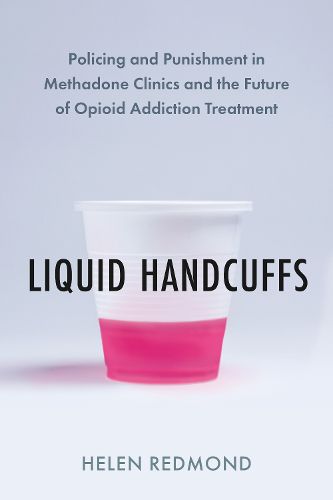
Methadone is a life-saving medication. But the current system for obtaining it-the opioid treatment program, commonly known as the methadone clinic-is punitive, unjust, and often humiliating. In this eye-opening book, social worker and journalist Helen Redmond takes readers inside the hidden world of methadone clinics, exposing the "culture of cruelty" that polices, punishes, and profits from those they're meant to serve.
Through patient stories and extensive interviews with methadone users and clinic workers, Redmond weaves a compelling argument against the current clinic system. She provides a detailed history of how methadone was first developed and why the current system for dispensing methadone arose in the U.S., tracing its entanglement with the carceral system and the "War on Drugs" as well as private equity firms and tech companies. She details the numerous barriers to enter and remain and treatment, as well as standard practices that shame and discriminate against patients, such as restrictions on take-home doses; daily attendance requirements; regular urine testing; and threats of cutting off medication for any infraction of clinic rules. She also explores the nuances of resistance to methadone clinics within communities of color, unpacking the political, racial, and cultural circumstances behind the opposition to methadone.
Redmond persuasively makes the case for removing police agencies like the DEA from clinic administration, and shows how a transition to provider-prescribed pharmacy pickup, along with other tools of harm reduction such as safe-supply and peer-support services, would restore dignity to patients struggling with addiction-and save thousands of lives.
$9.00 standard shipping within Australia
FREE standard shipping within Australia for orders over $100.00
Express & International shipping calculated at checkout
Stock availability can be subject to change without notice. We recommend calling the shop or contacting our online team to check availability of low stock items. Please see our Shopping Online page for more details.
A hard-hitting expose of how methadone clinics fail people in recovery-and an urgent, unapologetic case for their abolition
A hard-hitting expose of how methadone clinics fail people in recovery-and an urgent, unapologetic case for their abolition
Methadone is a life-saving medication. But the current system for obtaining it-the opioid treatment program, commonly known as the methadone clinic-is punitive, unjust, and often humiliating. In this eye-opening book, social worker and journalist Helen Redmond takes readers inside the hidden world of methadone clinics, exposing the "culture of cruelty" that polices, punishes, and profits from those they're meant to serve.
Through patient stories and extensive interviews with methadone users and clinic workers, Redmond weaves a compelling argument against the current clinic system. She provides a detailed history of how methadone was first developed and why the current system for dispensing methadone arose in the U.S., tracing its entanglement with the carceral system and the "War on Drugs" as well as private equity firms and tech companies. She details the numerous barriers to enter and remain and treatment, as well as standard practices that shame and discriminate against patients, such as restrictions on take-home doses; daily attendance requirements; regular urine testing; and threats of cutting off medication for any infraction of clinic rules. She also explores the nuances of resistance to methadone clinics within communities of color, unpacking the political, racial, and cultural circumstances behind the opposition to methadone.
Redmond persuasively makes the case for removing police agencies like the DEA from clinic administration, and shows how a transition to provider-prescribed pharmacy pickup, along with other tools of harm reduction such as safe-supply and peer-support services, would restore dignity to patients struggling with addiction-and save thousands of lives.
Search our extensive online catalogue.
