Readings Newsletter
Become a Readings Member to make your shopping experience even easier.
Sign in or sign up for free!
You’re not far away from qualifying for FREE standard shipping within Australia
You’ve qualified for FREE standard shipping within Australia
The cart is loading…


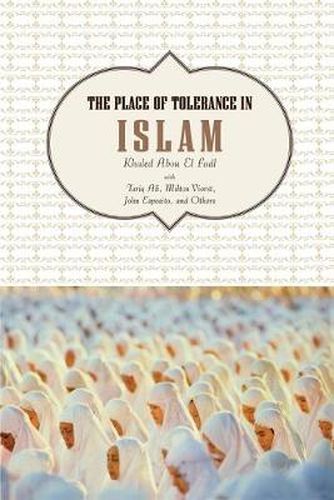
Khaled Abou El Fadl, a prominent critic of Islamic puritanism, leads off this lively debate by arguing that Islam is a deeply tolerant religion. Injunctions to violence against nonbelievers stem from misreadings of the Qur'an, he claims, and even jihad, or so-called holy war, has no basis in Qur'anic text or Muslim theology but instead grew out of social and political conflict.;;Many of Abou El Fadl’s respondents think differently. Some contend that his brand of Islam will only appeal to Westerners and students in liberal divinity schools and that serious religious dialogue in the Muslim world requires dramatic political reforms. Other respondents argue that theological debates are irrelevant and that our focus should be on Western sabotage of such reforms. Still others argue that calls for Islamic tolerance betray the Qur'anic injunction for Muslims to struggle against their oppressors.;;The debate underscores an enduring challenge posed by religious morality in a pluralistic age- how can we preserve deep religious conviction while participating in what Abou El Fadl calls a collective enterprise of goodness that cuts across confessional differences?;;With contributions from Tariq Ali, Milton Viorst, and John Esposito, and others.
$9.00 standard shipping within Australia
FREE standard shipping within Australia for orders over $100.00
Express & International shipping calculated at checkout
Stock availability can be subject to change without notice. We recommend calling the shop or contacting our online team to check availability of low stock items. Please see our Shopping Online page for more details.
Khaled Abou El Fadl, a prominent critic of Islamic puritanism, leads off this lively debate by arguing that Islam is a deeply tolerant religion. Injunctions to violence against nonbelievers stem from misreadings of the Qur'an, he claims, and even jihad, or so-called holy war, has no basis in Qur'anic text or Muslim theology but instead grew out of social and political conflict.;;Many of Abou El Fadl’s respondents think differently. Some contend that his brand of Islam will only appeal to Westerners and students in liberal divinity schools and that serious religious dialogue in the Muslim world requires dramatic political reforms. Other respondents argue that theological debates are irrelevant and that our focus should be on Western sabotage of such reforms. Still others argue that calls for Islamic tolerance betray the Qur'anic injunction for Muslims to struggle against their oppressors.;;The debate underscores an enduring challenge posed by religious morality in a pluralistic age- how can we preserve deep religious conviction while participating in what Abou El Fadl calls a collective enterprise of goodness that cuts across confessional differences?;;With contributions from Tariq Ali, Milton Viorst, and John Esposito, and others.
Search our extensive online catalogue.
