Readings Newsletter
Become a Readings Member to make your shopping experience even easier.
Sign in or sign up for free!
You’re not far away from qualifying for FREE standard shipping within Australia
You’ve qualified for FREE standard shipping within Australia
The cart is loading…


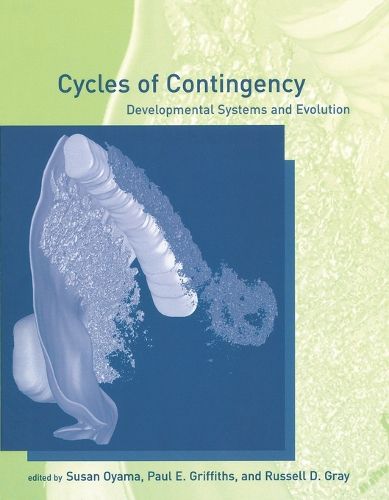
Many books on evolution neglect the complex dynamics of ontogeny (development) necessary to produce the mature creature. They either ignore it or reduce it to the transmission of genetic information. This contributes to unproductive debates on nature versus nurture . Developmental systems theory (DST) offers a new conceptual framework with which to resolve such debates. DST views ontogeny as contingent cycles of interaction among a varied set of developmental resources, no one of which controls the process. These factors include DNA, cellular and organismic structure, and social and ecological interactions. DST has excited interest from a wide range of researchers, from molecular biologists to anthropologists, because of its ability to integrate evolutionary theory and other disciplines without falling into traditional oppositions. The book provides historical background to DST, recent theoretical findings on the mechanisms of heredity, applications of the DST framework to behavioural development, implications of DST for the philosophy of biology, and critical reactions to DST.
$9.00 standard shipping within Australia
FREE standard shipping within Australia for orders over $100.00
Express & International shipping calculated at checkout
Stock availability can be subject to change without notice. We recommend calling the shop or contacting our online team to check availability of low stock items. Please see our Shopping Online page for more details.
Many books on evolution neglect the complex dynamics of ontogeny (development) necessary to produce the mature creature. They either ignore it or reduce it to the transmission of genetic information. This contributes to unproductive debates on nature versus nurture . Developmental systems theory (DST) offers a new conceptual framework with which to resolve such debates. DST views ontogeny as contingent cycles of interaction among a varied set of developmental resources, no one of which controls the process. These factors include DNA, cellular and organismic structure, and social and ecological interactions. DST has excited interest from a wide range of researchers, from molecular biologists to anthropologists, because of its ability to integrate evolutionary theory and other disciplines without falling into traditional oppositions. The book provides historical background to DST, recent theoretical findings on the mechanisms of heredity, applications of the DST framework to behavioural development, implications of DST for the philosophy of biology, and critical reactions to DST.
Search our extensive online catalogue.
