Readings Newsletter
Become a Readings Member to make your shopping experience even easier.
Sign in or sign up for free!
You’re not far away from qualifying for FREE standard shipping within Australia
You’ve qualified for FREE standard shipping within Australia
The cart is loading…


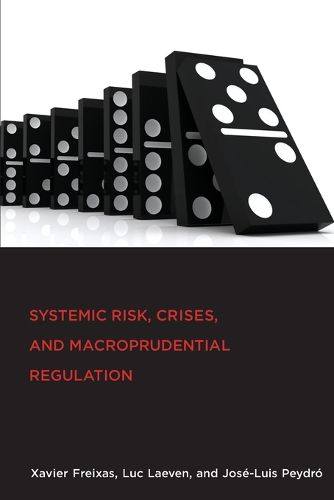
A framework for macroprudential regulation that defines systemic risk and macroprudential policy, describes macroprudential tools, and surveys the effectiveness of existing macroprudential regulation.
A framework for macroprudential regulation that defines systemic risk and macroprudential policy, describes macroprudential tools, and surveys the effectiveness of existing macroprudential regulation.
The recent financial crisis has shattered all standard approaches to banking regulation. Regulators now recognize that banking regulation cannot be simply based on individual financial institutions' risks. Instead, systemic risk and macroprudential regulation have come to the forefront of the new regulatory paradigm. Yet our knowledge of these two core aspects of regulation is still limited and fragmented. This book offers a framework for understanding the reasons for the regulatory shift from a microprudential to a macroprudential approach to financial regulation. It defines systemic risk and macroprudential policy, cutting through the generalized confusion as to their meaning; contrasts macroprudential to microprudential approaches; discusses the interaction of macroprudential policy with macroeconomic policy (monetary policy in particular); and describes macroprudential tools and experiences with macroprudential regulation around the world.
The book also considers the remaining challenges for establishing effective macroprudential policy and broader issues in regulatory reform. These include the optimal size and structure of the financial system, the multiplicity of regulatory bodies in the United States, the supervision of cross-border financial institutions, and the need for international cooperation on macroprudential policies.
$9.00 standard shipping within Australia
FREE standard shipping within Australia for orders over $100.00
Express & International shipping calculated at checkout
Stock availability can be subject to change without notice. We recommend calling the shop or contacting our online team to check availability of low stock items. Please see our Shopping Online page for more details.
A framework for macroprudential regulation that defines systemic risk and macroprudential policy, describes macroprudential tools, and surveys the effectiveness of existing macroprudential regulation.
A framework for macroprudential regulation that defines systemic risk and macroprudential policy, describes macroprudential tools, and surveys the effectiveness of existing macroprudential regulation.
The recent financial crisis has shattered all standard approaches to banking regulation. Regulators now recognize that banking regulation cannot be simply based on individual financial institutions' risks. Instead, systemic risk and macroprudential regulation have come to the forefront of the new regulatory paradigm. Yet our knowledge of these two core aspects of regulation is still limited and fragmented. This book offers a framework for understanding the reasons for the regulatory shift from a microprudential to a macroprudential approach to financial regulation. It defines systemic risk and macroprudential policy, cutting through the generalized confusion as to their meaning; contrasts macroprudential to microprudential approaches; discusses the interaction of macroprudential policy with macroeconomic policy (monetary policy in particular); and describes macroprudential tools and experiences with macroprudential regulation around the world.
The book also considers the remaining challenges for establishing effective macroprudential policy and broader issues in regulatory reform. These include the optimal size and structure of the financial system, the multiplicity of regulatory bodies in the United States, the supervision of cross-border financial institutions, and the need for international cooperation on macroprudential policies.
Search our extensive online catalogue.
