Readings Newsletter
Become a Readings Member to make your shopping experience even easier.
Sign in or sign up for free!
You’re not far away from qualifying for FREE standard shipping within Australia
You’ve qualified for FREE standard shipping within Australia
The cart is loading…


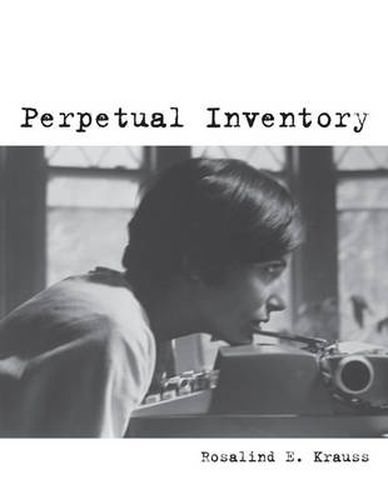
In essays that span three decades, one of contemporary art’s most esteemed critics celebrates artists who have persevered in the service of a medium.The job of an art critic is to take perpetual inventory, constantly revising her ideas about the direction of contemporary art and the significance of the work she writes about. In these essays, which span three decades of assessment and reassessment, Rosalind Krauss considers what she has come to call the post-medium condition -the abandonment by contemporary art of the modernist emphasis on the medium as the source of artistic significance. Jean-Fran ois Lyotard argued that the postmodern condition is characterized by the end of a master narrative, and Krauss sees in the post-medium condition of contemporary art a similar farewell to coherence. The master narrative of contemporary art ended when conceptual art and other contemporary practices jettisoned the specific medium in order to juxtapose image and written text in the same work. For Krauss, this spells the end of serious art, and she devotes much of Perpetual Inventory to wrest ling new media to the mat of specificity.
Krauss also writes about artists who are reinventing the medium, artists who persevere in the service of a nontraditional medium ( strange new apparatuses often adopted from commercial culture), among them Ed Ruscha, Christian Marclay, William Kentridge, and James Coleman.
$9.00 standard shipping within Australia
FREE standard shipping within Australia for orders over $100.00
Express & International shipping calculated at checkout
Stock availability can be subject to change without notice. We recommend calling the shop or contacting our online team to check availability of low stock items. Please see our Shopping Online page for more details.
In essays that span three decades, one of contemporary art’s most esteemed critics celebrates artists who have persevered in the service of a medium.The job of an art critic is to take perpetual inventory, constantly revising her ideas about the direction of contemporary art and the significance of the work she writes about. In these essays, which span three decades of assessment and reassessment, Rosalind Krauss considers what she has come to call the post-medium condition -the abandonment by contemporary art of the modernist emphasis on the medium as the source of artistic significance. Jean-Fran ois Lyotard argued that the postmodern condition is characterized by the end of a master narrative, and Krauss sees in the post-medium condition of contemporary art a similar farewell to coherence. The master narrative of contemporary art ended when conceptual art and other contemporary practices jettisoned the specific medium in order to juxtapose image and written text in the same work. For Krauss, this spells the end of serious art, and she devotes much of Perpetual Inventory to wrest ling new media to the mat of specificity.
Krauss also writes about artists who are reinventing the medium, artists who persevere in the service of a nontraditional medium ( strange new apparatuses often adopted from commercial culture), among them Ed Ruscha, Christian Marclay, William Kentridge, and James Coleman.
Search our extensive online catalogue.
