Readings Newsletter
Become a Readings Member to make your shopping experience even easier.
Sign in or sign up for free!
You’re not far away from qualifying for FREE standard shipping within Australia
You’ve qualified for FREE standard shipping within Australia
The cart is loading…


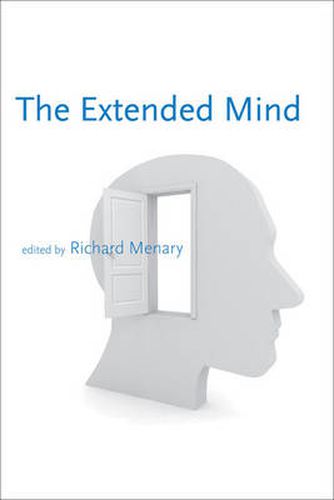
Where does the mind stop and the rest of the world begin? In their famous 1998 paper The Extended Mind, philosophers Andy Clark and David J. Chalmers posed this question and answered it provocatively: cognitive processes ain’t all in the head. The environment has an active role in driving cognition; cognition is sometimes made up of neural, bodily, and environmental processes. Their argument excited a vigorous debate among philosophers, both supporters and detractors. This volume brings together for the first time the best responses to Clark and Chalmers’s bold proposal. These responses, together with the original paper by Clark and Chalmers, offer a valuable overview of the latest research on the extended mind thesis. The contributors first discuss (and answer) objections raised to Clark and Chalmers’s thesis. Clark himself responds to critics in an essay that uses the movie Memento’s amnesia-aiding notes and tattoos to illustrate the workings of the extended mind. Contributors then consider the different directions in which the extended mind project might be taken, including the need for an approach that focuses on cognitive activity and practice.
$9.00 standard shipping within Australia
FREE standard shipping within Australia for orders over $100.00
Express & International shipping calculated at checkout
Stock availability can be subject to change without notice. We recommend calling the shop or contacting our online team to check availability of low stock items. Please see our Shopping Online page for more details.
Where does the mind stop and the rest of the world begin? In their famous 1998 paper The Extended Mind, philosophers Andy Clark and David J. Chalmers posed this question and answered it provocatively: cognitive processes ain’t all in the head. The environment has an active role in driving cognition; cognition is sometimes made up of neural, bodily, and environmental processes. Their argument excited a vigorous debate among philosophers, both supporters and detractors. This volume brings together for the first time the best responses to Clark and Chalmers’s bold proposal. These responses, together with the original paper by Clark and Chalmers, offer a valuable overview of the latest research on the extended mind thesis. The contributors first discuss (and answer) objections raised to Clark and Chalmers’s thesis. Clark himself responds to critics in an essay that uses the movie Memento’s amnesia-aiding notes and tattoos to illustrate the workings of the extended mind. Contributors then consider the different directions in which the extended mind project might be taken, including the need for an approach that focuses on cognitive activity and practice.
Search our extensive online catalogue.
