Readings Newsletter
Become a Readings Member to make your shopping experience even easier.
Sign in or sign up for free!
You’re not far away from qualifying for FREE standard shipping within Australia
You’ve qualified for FREE standard shipping within Australia
The cart is loading…


The remarkable true story of the trailblazing men and women of Britain's blood transfusion service in World War Two
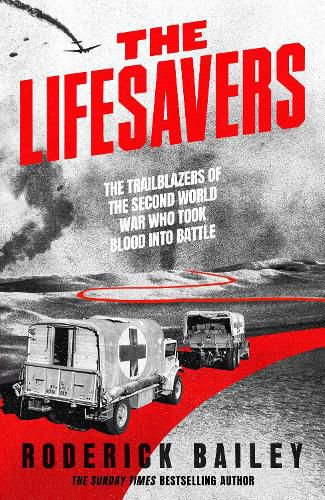
THE LIFESAVERS were a small group of men and women who during WW2 were at the forefront of global progress in saving lives. Britain's wartime blood transfusions service collected, preserved and courageously delivered blood, creating ground-breaking advances to improve survival rates with an impact comparable to the discovery of penicillin.
We meet the nurses who built and tapped the bank of volunteer donors (1.5m registered by the end of the war); the unsung technicians responsible for storing, preserving and moving the blood; and the specialist medical officers who risked their lives in traversing battlefields across the globe to give transfusions.
From Britain to the Balkans, Sicily to Japan, this trailblazing work was adopted around the world, and its lessons are still being taught today as NATO turns to methods from WW1 and WW2 in preparing for future conflicts.
$9.00 standard shipping within Australia
FREE standard shipping within Australia for orders over $100.00
Express & International shipping calculated at checkout
Stock availability can be subject to change without notice. We recommend calling the shop or contacting our online team to check availability of low stock items. Please see our Shopping Online page for more details.
The remarkable true story of the trailblazing men and women of Britain's blood transfusion service in World War Two
THE LIFESAVERS were a small group of men and women who during WW2 were at the forefront of global progress in saving lives. Britain's wartime blood transfusions service collected, preserved and courageously delivered blood, creating ground-breaking advances to improve survival rates with an impact comparable to the discovery of penicillin.
We meet the nurses who built and tapped the bank of volunteer donors (1.5m registered by the end of the war); the unsung technicians responsible for storing, preserving and moving the blood; and the specialist medical officers who risked their lives in traversing battlefields across the globe to give transfusions.
From Britain to the Balkans, Sicily to Japan, this trailblazing work was adopted around the world, and its lessons are still being taught today as NATO turns to methods from WW1 and WW2 in preparing for future conflicts.
Search our extensive online catalogue.
