Readings Newsletter
Become a Readings Member to make your shopping experience even easier.
Sign in or sign up for free!
You’re not far away from qualifying for FREE standard shipping within Australia
You’ve qualified for FREE standard shipping within Australia
The cart is loading…


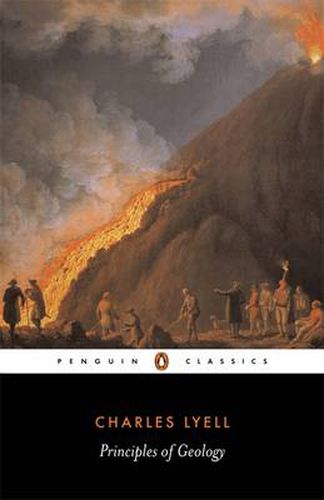
One of the key works in the nineteenth-century battle between science and Scripture, Charles Lyell’s Principles of Geology (1830-33) sought to explain the geological state of the modern Earth by considering the long-term effects of observable natural phenomena. Written with clarity and a dazzling intellectual passion, it is both a seminal work of modern geology and a compelling precursor to Darwinism, exploring the evidence for radical changes in climate and geography across the ages and speculating on the progressive development of life. A profound influence on Darwin, Principles of Geology also captured the imagination of contemporaries such as Melville, Emerson, Tennyson and George Eliot, transforming science with its depiction of the powerful forces that shape the natural world.
$9.00 standard shipping within Australia
FREE standard shipping within Australia for orders over $100.00
Express & International shipping calculated at checkout
Stock availability can be subject to change without notice. We recommend calling the shop or contacting our online team to check availability of low stock items. Please see our Shopping Online page for more details.
One of the key works in the nineteenth-century battle between science and Scripture, Charles Lyell’s Principles of Geology (1830-33) sought to explain the geological state of the modern Earth by considering the long-term effects of observable natural phenomena. Written with clarity and a dazzling intellectual passion, it is both a seminal work of modern geology and a compelling precursor to Darwinism, exploring the evidence for radical changes in climate and geography across the ages and speculating on the progressive development of life. A profound influence on Darwin, Principles of Geology also captured the imagination of contemporaries such as Melville, Emerson, Tennyson and George Eliot, transforming science with its depiction of the powerful forces that shape the natural world.
Search our extensive online catalogue.
