Readings Newsletter
Become a Readings Member to make your shopping experience even easier.
Sign in or sign up for free!
You’re not far away from qualifying for FREE standard shipping within Australia
You’ve qualified for FREE standard shipping within Australia
The cart is loading…


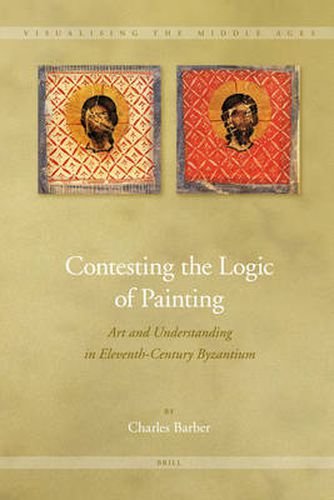
Studies of the icon in Byzantium have tended to focus on the iconoclastic era of the eighth- and ninth-centuries. This study shows that discussion of the icon was far from settled by this lengthy dispute. While the theory of the icon in Byzantium was governed by a logical understanding that had limited painting to the visible alone, the four authors addressed in this book struggled with this constraint. Symeon the New Theologian, driven by a desire for divine vision, chose, effectively, to disregard the icon. Michael Psellos used a profound neoplatonism to examine the relationship between an icon and miracles. Eustratios of Nicaea followed the logic of painting to the point at which he could clarify a distinction between painting from theology. Leo of Chalcedon attempted to describe a formal presence in the divine portrait of Christ. All told, these authors open perspectives on the icon that enrich and expand our own modernist understanding of this crucial medium.
$9.00 standard shipping within Australia
FREE standard shipping within Australia for orders over $100.00
Express & International shipping calculated at checkout
Stock availability can be subject to change without notice. We recommend calling the shop or contacting our online team to check availability of low stock items. Please see our Shopping Online page for more details.
Studies of the icon in Byzantium have tended to focus on the iconoclastic era of the eighth- and ninth-centuries. This study shows that discussion of the icon was far from settled by this lengthy dispute. While the theory of the icon in Byzantium was governed by a logical understanding that had limited painting to the visible alone, the four authors addressed in this book struggled with this constraint. Symeon the New Theologian, driven by a desire for divine vision, chose, effectively, to disregard the icon. Michael Psellos used a profound neoplatonism to examine the relationship between an icon and miracles. Eustratios of Nicaea followed the logic of painting to the point at which he could clarify a distinction between painting from theology. Leo of Chalcedon attempted to describe a formal presence in the divine portrait of Christ. All told, these authors open perspectives on the icon that enrich and expand our own modernist understanding of this crucial medium.
Search our extensive online catalogue.
