Readings Newsletter
Become a Readings Member to make your shopping experience even easier.
Sign in or sign up for free!
You’re not far away from qualifying for FREE standard shipping within Australia
You’ve qualified for FREE standard shipping within Australia
The cart is loading…


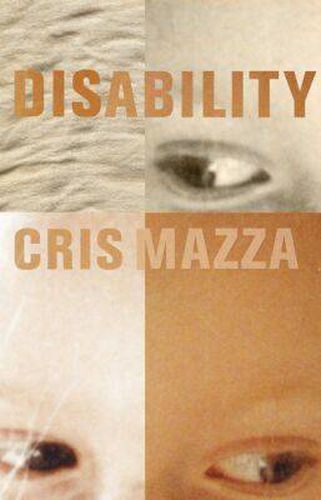
Told in a broken shorthand voice, Mazza’s language is acute, evoking a place where the patients, the caregivers, and the system are all disabled. Teri and Cleo are minimum-wage nurse-aides at a state ward for severely retarded and physically handicapped children. They are expected to feed, bathe, clothe, and carry out the required therapies for their patients in a 4-hour shift. They’re working within a system where money for therapy is only continued if therapy shows improvement-and yet the state-paid therapists who oversee the ward know the patients will never show any improvement. To keep the money coming in, it is up to the minimum-wage caregivers to
see
and chart important improvements, thus keeping the therapy program alive. Blinded in their own way by their pet-like adoption of favorite patients, Teri and Cleo struggle to remain both optimistic and realistic. As their personal failures mount-and even transpose or emulate the travesties within the state ward-Teri and Cleo, with their own unseen
disabilities
in dealing with their lives and pasts, react harshly to the breakdown in the emotional balancing act.
$9.00 standard shipping within Australia
FREE standard shipping within Australia for orders over $100.00
Express & International shipping calculated at checkout
Stock availability can be subject to change without notice. We recommend calling the shop or contacting our online team to check availability of low stock items. Please see our Shopping Online page for more details.
Told in a broken shorthand voice, Mazza’s language is acute, evoking a place where the patients, the caregivers, and the system are all disabled. Teri and Cleo are minimum-wage nurse-aides at a state ward for severely retarded and physically handicapped children. They are expected to feed, bathe, clothe, and carry out the required therapies for their patients in a 4-hour shift. They’re working within a system where money for therapy is only continued if therapy shows improvement-and yet the state-paid therapists who oversee the ward know the patients will never show any improvement. To keep the money coming in, it is up to the minimum-wage caregivers to
see
and chart important improvements, thus keeping the therapy program alive. Blinded in their own way by their pet-like adoption of favorite patients, Teri and Cleo struggle to remain both optimistic and realistic. As their personal failures mount-and even transpose or emulate the travesties within the state ward-Teri and Cleo, with their own unseen
disabilities
in dealing with their lives and pasts, react harshly to the breakdown in the emotional balancing act.
Search our extensive online catalogue.
