Readings Newsletter
Become a Readings Member to make your shopping experience even easier.
Sign in or sign up for free!
You’re not far away from qualifying for FREE standard shipping within Australia
You’ve qualified for FREE standard shipping within Australia
The cart is loading…


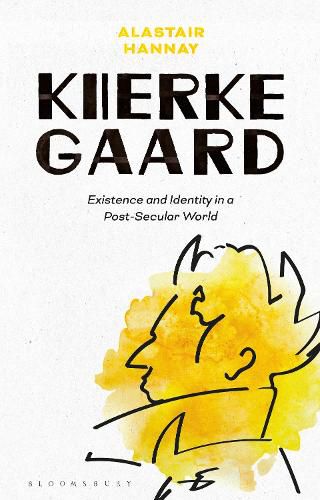
In his perceptive and provocative new book, Alastair Hannay contests two prejudices that have dogged the appreciation of Soren Kierkegaard’s writings. These are that to grasp their contemporary impact, the religious focus must be referred to his personal background, and that their varied voices mirror a fragmentation in his own relationship to self and society. It was for paying lip-service to their own values that Kierkegaard castigated his society, his diagnosis being that this was one of many ways in which more pressing and disturbing questions of existence were typically evaded.
It is in the renowned thinker’s own struggle for selfhood that Hannay sees his prescient anticipation of the current focus on issues relating to integration, acceptance and identity. By cultivating a role as the social misfit within his innate exceptionality Kierkegaard deliberately exposed himself to the problems to which an age gripped by ‘identity politics’ is now responding. By cleverly examining the relation between his richly conceived polemics and Kierkegaard’s own preoccupation with identity, Hannay has written an essential new text for Kierkegaard scholars and students of Continental philosophy and existentialism.
$9.00 standard shipping within Australia
FREE standard shipping within Australia for orders over $100.00
Express & International shipping calculated at checkout
Stock availability can be subject to change without notice. We recommend calling the shop or contacting our online team to check availability of low stock items. Please see our Shopping Online page for more details.
In his perceptive and provocative new book, Alastair Hannay contests two prejudices that have dogged the appreciation of Soren Kierkegaard’s writings. These are that to grasp their contemporary impact, the religious focus must be referred to his personal background, and that their varied voices mirror a fragmentation in his own relationship to self and society. It was for paying lip-service to their own values that Kierkegaard castigated his society, his diagnosis being that this was one of many ways in which more pressing and disturbing questions of existence were typically evaded.
It is in the renowned thinker’s own struggle for selfhood that Hannay sees his prescient anticipation of the current focus on issues relating to integration, acceptance and identity. By cultivating a role as the social misfit within his innate exceptionality Kierkegaard deliberately exposed himself to the problems to which an age gripped by ‘identity politics’ is now responding. By cleverly examining the relation between his richly conceived polemics and Kierkegaard’s own preoccupation with identity, Hannay has written an essential new text for Kierkegaard scholars and students of Continental philosophy and existentialism.
Search our extensive online catalogue.
