Readings Newsletter
Become a Readings Member to make your shopping experience even easier.
Sign in or sign up for free!
You’re not far away from qualifying for FREE standard shipping within Australia
You’ve qualified for FREE standard shipping within Australia
The cart is loading…


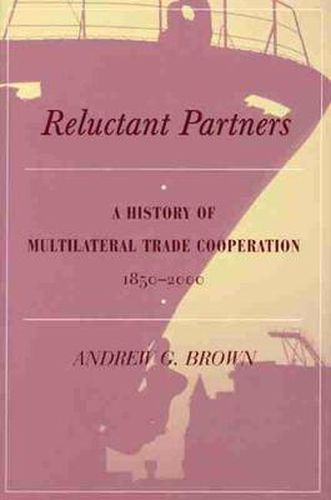
With globalization drawing countries closer together, greater international cooperation is essential for peace and stability. The collective arrangement made by governments to manage their trade relations is one of the few successes of globalization. This book assesses the progress of multilateral trade cooperation, exploring the interests at work and the issues raised in successive postwar rounds of negotiations. It traces how the narrow perception of reciprocity has gradually yielded to a broader evaluation of the benefits to the regime as a whole as the major trading nations have mutually reduced trade barriers. Andrew G. Brown demonstrates the increasing importance of rule making and shows the diversity of issues on which negotiations have focused, such as customs procedures, technical standards, subsidies, anti-dumping duties, intellectual property rights, and the treatment of foreign direct investment. Despite the progress, however, the regime has remained vulnerable. The book also analyzes the major sources of strain that have been evident.
This is a nontechnical book for those curious about the possibilities for cooperation among states and should be of interest to both the nonspecialist and the specialist. It draws on more than one discipline to interpret the events, lying in the triangle bounded by political science, economics, and history.
$9.00 standard shipping within Australia
FREE standard shipping within Australia for orders over $100.00
Express & International shipping calculated at checkout
Stock availability can be subject to change without notice. We recommend calling the shop or contacting our online team to check availability of low stock items. Please see our Shopping Online page for more details.
With globalization drawing countries closer together, greater international cooperation is essential for peace and stability. The collective arrangement made by governments to manage their trade relations is one of the few successes of globalization. This book assesses the progress of multilateral trade cooperation, exploring the interests at work and the issues raised in successive postwar rounds of negotiations. It traces how the narrow perception of reciprocity has gradually yielded to a broader evaluation of the benefits to the regime as a whole as the major trading nations have mutually reduced trade barriers. Andrew G. Brown demonstrates the increasing importance of rule making and shows the diversity of issues on which negotiations have focused, such as customs procedures, technical standards, subsidies, anti-dumping duties, intellectual property rights, and the treatment of foreign direct investment. Despite the progress, however, the regime has remained vulnerable. The book also analyzes the major sources of strain that have been evident.
This is a nontechnical book for those curious about the possibilities for cooperation among states and should be of interest to both the nonspecialist and the specialist. It draws on more than one discipline to interpret the events, lying in the triangle bounded by political science, economics, and history.
Search our extensive online catalogue.
